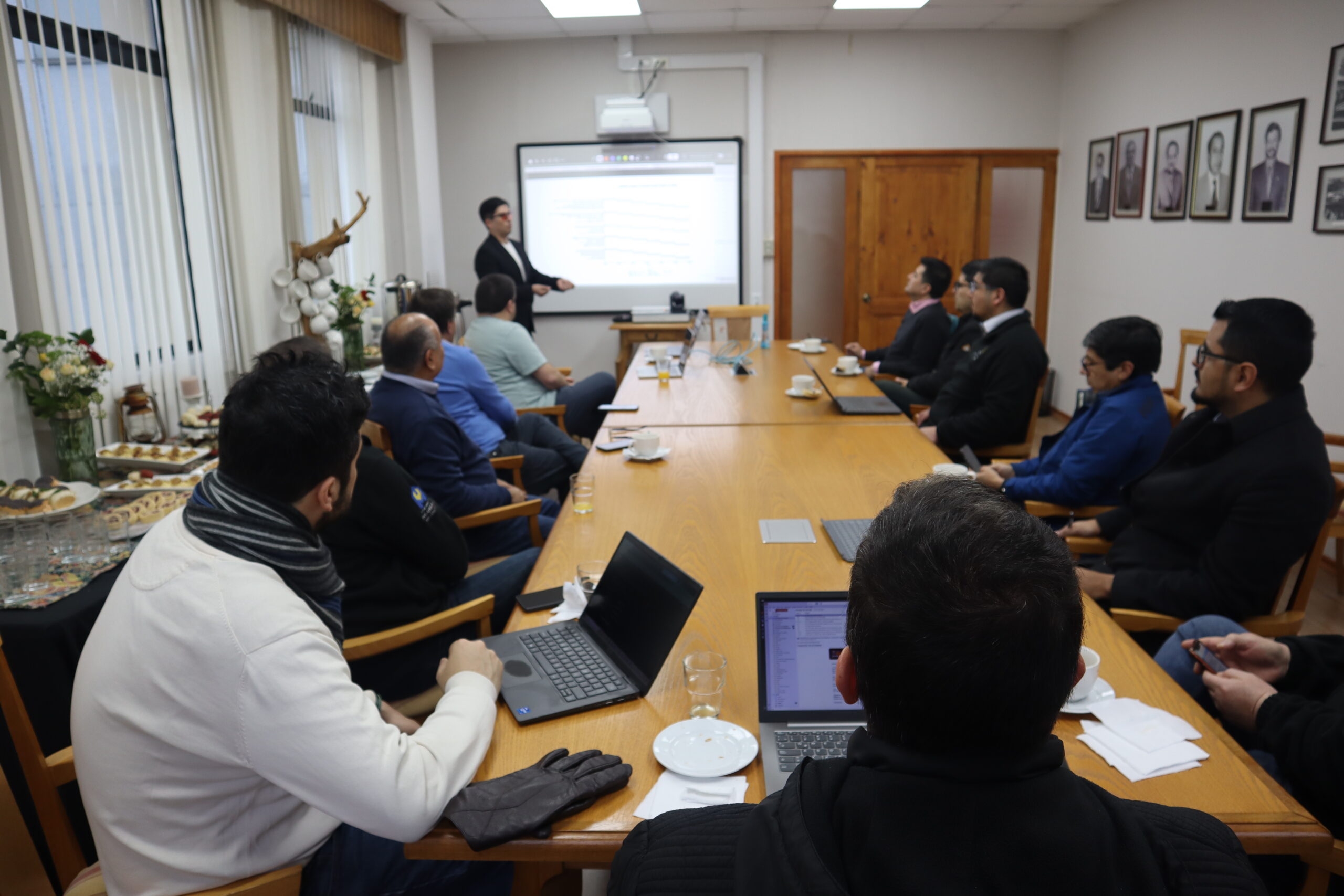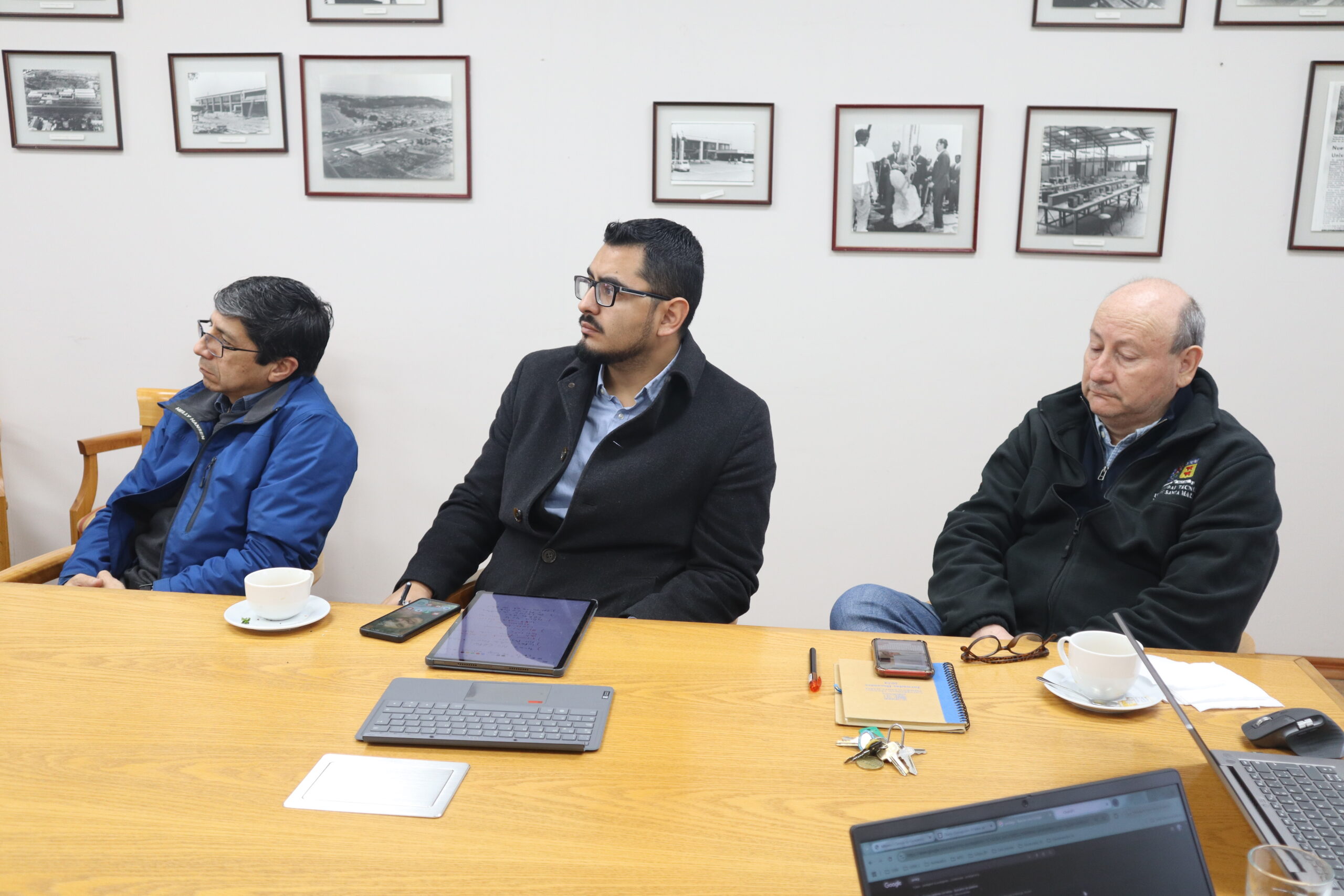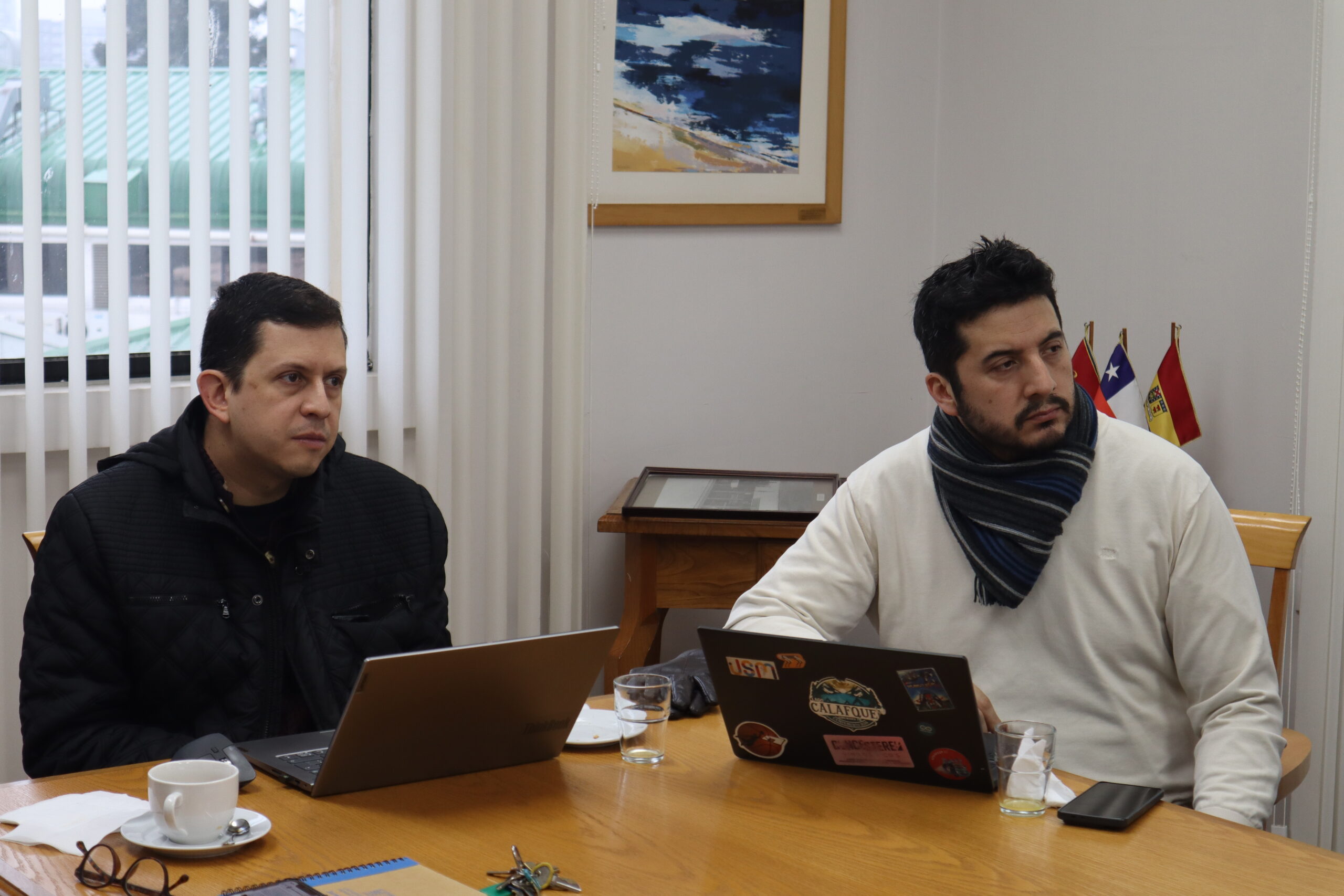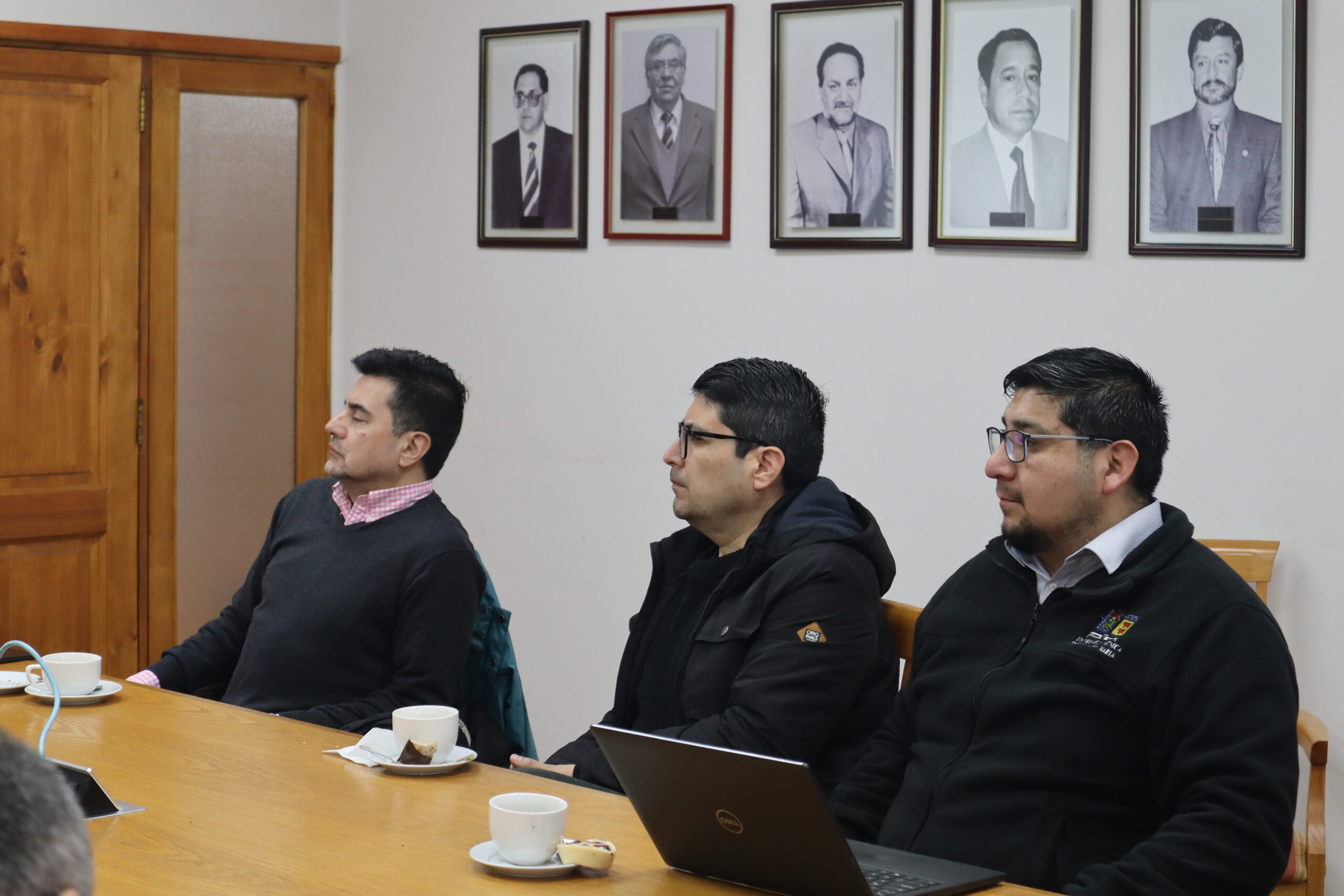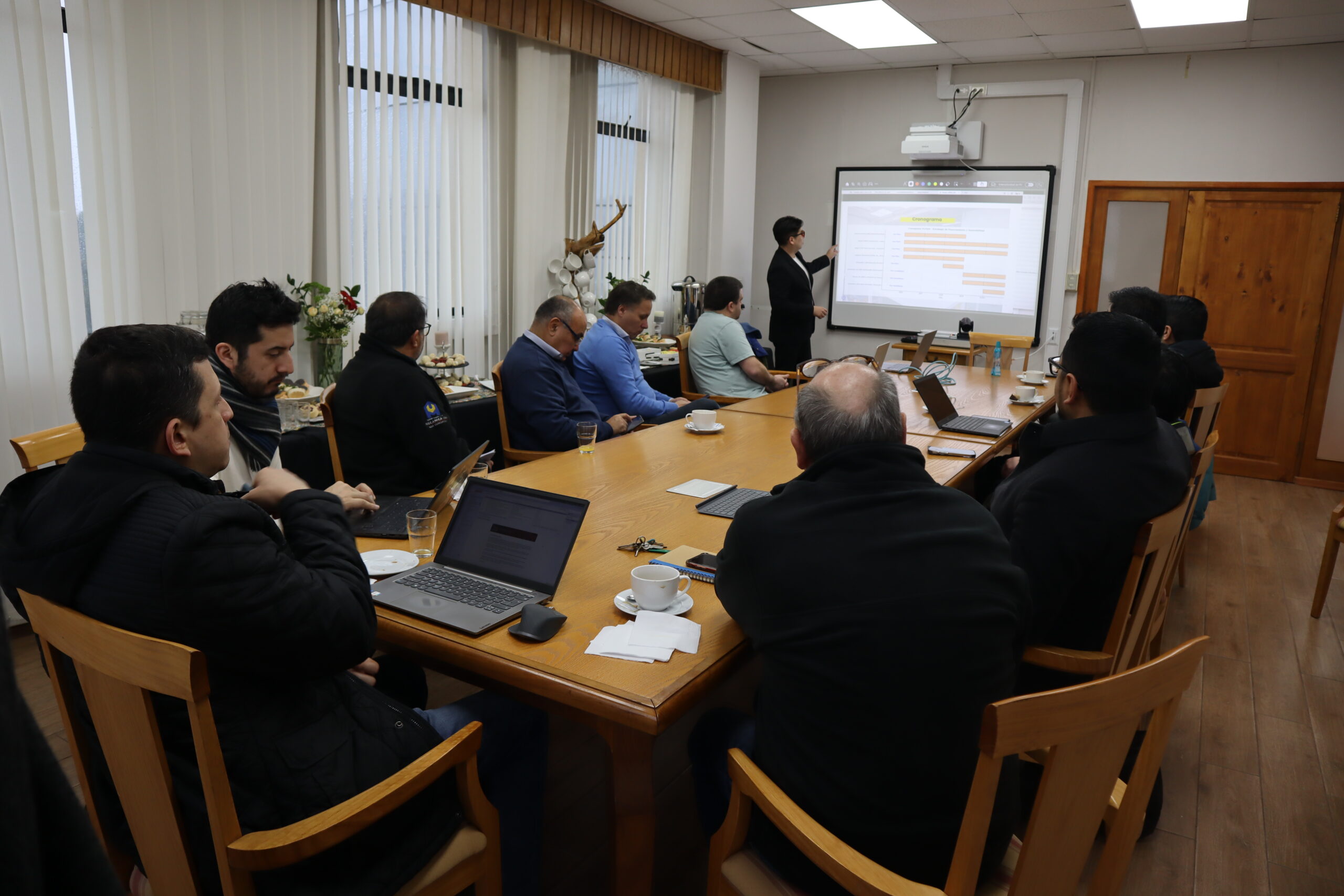
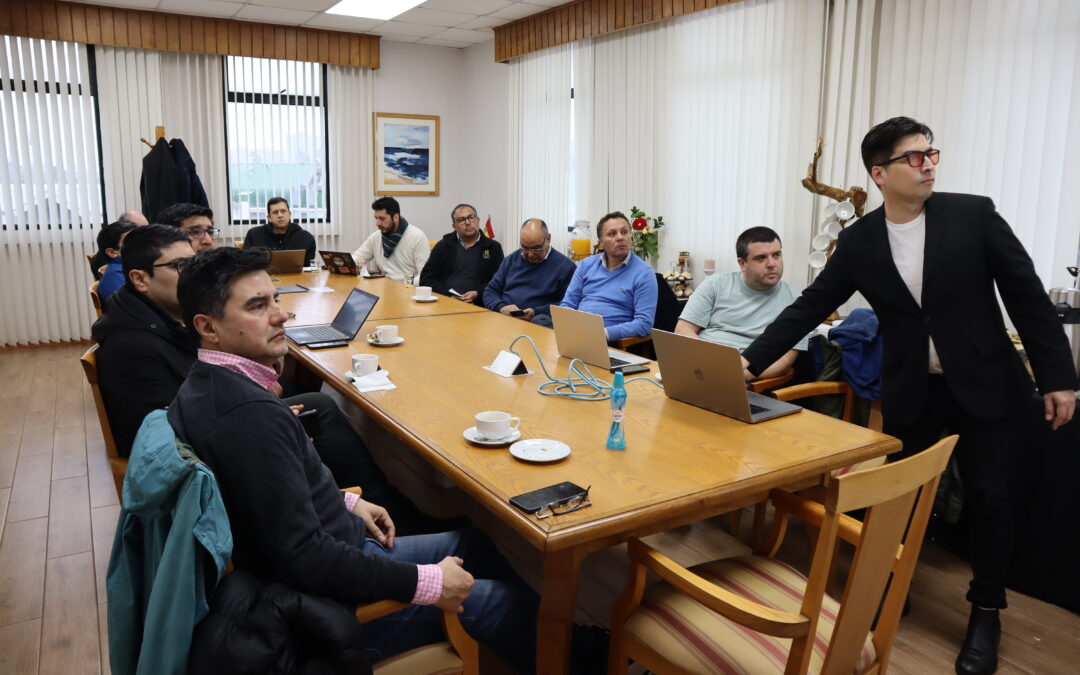
During a visit to the city of Concepción, the Millennium Institute SAPHIR, together with the Universidad Técnica Federico Santa María (UTFSM), presented an ambitious initiative aimed at promoting the participation of Chilean technicians in high-level international scientific experiments, such as those carried out at CERN (European Organization for Nuclear Research), one of the most prestigious centers for the study of particle physics worldwide.
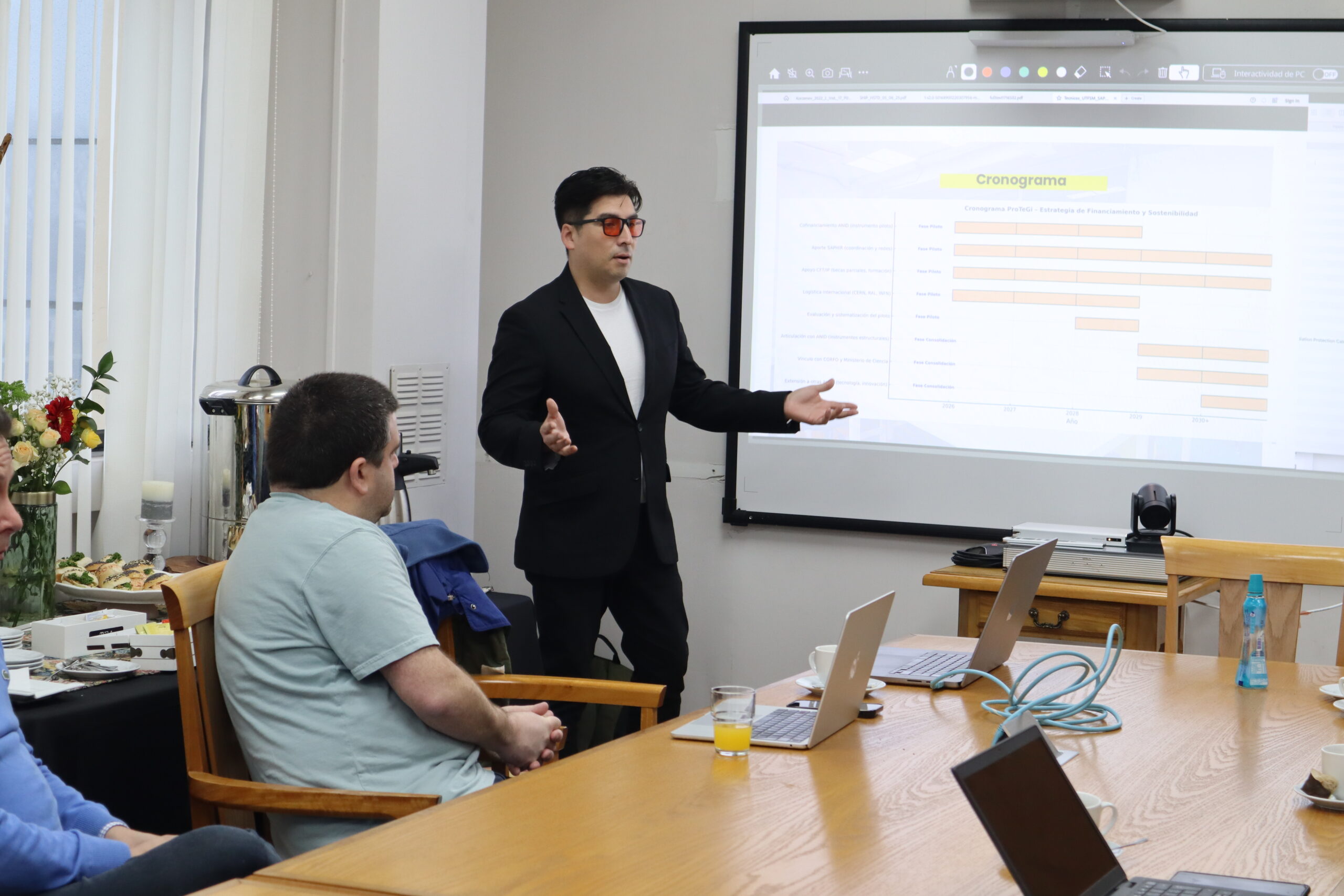
The activity was led by Felipe Olivares León, Executive Director of the Millennium Institute SAPHIR, and Dr. Nicolás Viaux M, Academician of the Physics Department of the UTFSM San Joaquín campus and Researcher of the Institute. Both highlighted the value of integrating into the scientific ecosystem not only physicists and engineers, but also highly qualified technicians, whose role is fundamental in the design, implementation and operation of complex scientific technologies such as those used in the ATLAS experiment of the Large Hadron Collider.
The main focus of the presentation was the introduction of the ProTeGi program (Programa Nacional de Formación y Movilidad Técnica en Grandes Experimentos Internacionales).National Program for Training and Technical Mobility in Large International Experiments), an initiative led by SAPHIR that seeks to establish a systematic way to train, specialize and insert Chilean technicians in frontier experiments in particle physics. This program includes key components such as alliances with technical training centers, international internships, shared governance with ANID and the Ministry of Science, and the active promotion of technology transfer to Chile.
In addition to presenting the opportunities offered by CERN for technicians trained at institutions such as the UTFSM, the logistical and financial challenges involved in sending technical personnel to Europe - with costs that can range from 4.8 to 42 million pesos per internship - were discussed, underlining the importance of having public policies that ensure the sustainability of this strategy in the long term.
This initiative takes even more strength considering that Chile was recently accepted as an Associate Member State of CERN, which will significantly expand the possibilities of collaboration and international insertion for the national scientific and technical community. From SAPHIR and UTFSM, a call was made to consolidate networks and agreements that allow transforming this historic opportunity into a true engine of scientific and technological development for the country.