
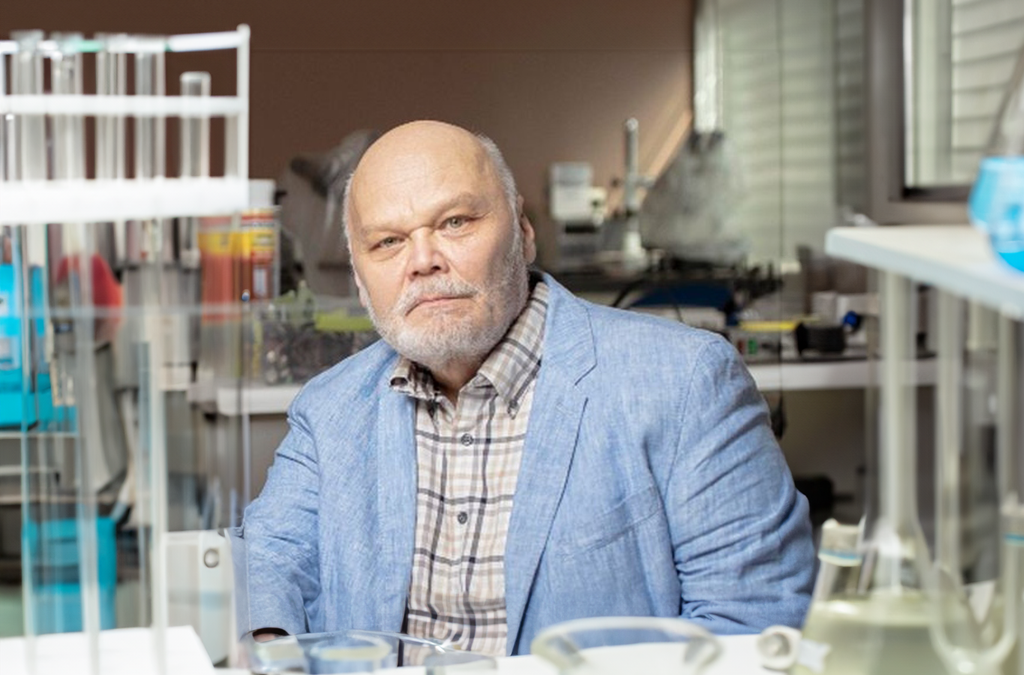
Dr. Sergey Kuleshov, director de SAPHIR, es nombrado “Collaboration Board Chair” del experimento NA-64 de CERN
Profesor Sergey Kuleshov fue nombrado Collaboration Board Chair del experimento NA-64 en CERN. Destacando la calidad científica y de gestión del académico; quien es reconocido mundialmente por experticia en el área de la Física de Partículas de Altas Energías.
——————–
La Organización Europea para la Investigación Nuclear (CERN), es en la actualidad, uno de los más prestigiosos centros de investigación en física de partículas subatómicas. Miles de científicos alrededor del mundo llegan a CERN para colaborar en experimentos de física de altas energías, física médica, análisis de datos, inteligencia artificial y electrónica, entre otras.
CERN es reconocido además por gran red de contactos e innumerables colaboraciones con equipos desde múltiples países, liderando y formando equipos. En ese contexto, uno de los experimentos con presencia chilena es “NA-64”; cuyo propósito es buscar posibles partículas que expliquen la materia oscura (por ej.: los fotones oscuros).
“Para estas búsquedas, NA64 dirige un haz de electrones de 100-150 GeV de energía desde el Super Sincrotrón de Protones (SPS) hacia un objetivo fijo. A continuación, los investigadores buscan partículas desconocidas del sector oscuro producidas por colisiones entre los electrones del haz del SPS y los núcleos atómicos del objetivo. La búsqueda puede realizarse buscando partículas ordinarias, como electrones, en las que se desintegrarían las nuevas partículas, o buscando la energía de colisión “perdida” que las partículas del sector oscuro se llevarían”, (Fuente: CERN-WEBPAGE).
Sergey Kuleshov, director de SAPHIR, a la cabeza de NA-64
El profesor titular de la Universidad Andrés Bello, doctor en Ciencias Físicas y Matemáticas por el Instituto Alikhanov de Física Teórica y Experimental (ITEP) de Moscú (Rusia), y referente académico en el mundo de la física subatómica, desempeñará roles como coordinador y supervisor de los grupos de trabajo relacionados con el experimento.
“La designación de Sergey Kuleshov en este cargo, es una demostración de la calidad científica y del prestigio que posee en el ecosistema de la física de partículas. En ese sentido, como instituto estamos muy orgullosos de este nombramiento, el cual consolida la labor que venimos desarrollando hace más de 2 años en el experimento NA-64”, acota Felipe Olivares León, director ejecutivo de SAPHIR.