
El Instituto Milenio SAPHIR inicia una nueva etapa en su desarrollo científico tras superar exitosamente la evaluación quinquenal realizada durante 2025. Este proceso revisó de manera exhaustiva el desempeño del centro durante sus primeros cinco años de funcionamiento, considerando criterios como los logros científicos, técnicos y metodológicos alcanzados en su primera etapa, el mérito científico y la proyección de la propuesta para el segundo quinquenio, el cumplimiento de las metas en formación de capital humano avanzado y científicos jóvenes, así como los planes futuros para fortalecer esta formación. La evaluación también analizó el nivel de cumplimiento de las metas vinculadas al desarrollo de actividades de Proyección al Medio Externo (PME) y Redes de Formación y Colaboración (RFC), junto con las estrategias planteadas por el instituto para profundizar estas líneas durante el nuevo período de trabajo.
El resultado de esta evaluación no solo permitió la extensión del instituto por un segundo período de cinco años, hasta 2030, sino que además posicionó a SAPHIR como el instituto mejor evaluado entre los centros revisados en este proceso quinquenal, alcanzando el primer lugar en la evaluación final realizada por los paneles internacionales y los organismos técnicos de la Agencia Nacional de Investigación y Desarrollo (ANID).
La continuidad del instituto fue aprobada formalmente mediante la Resolución Exenta N°1508/2026 de ANID, que autoriza la extensión del proyecto en el marco del programa Iniciativa Científica Milenio.
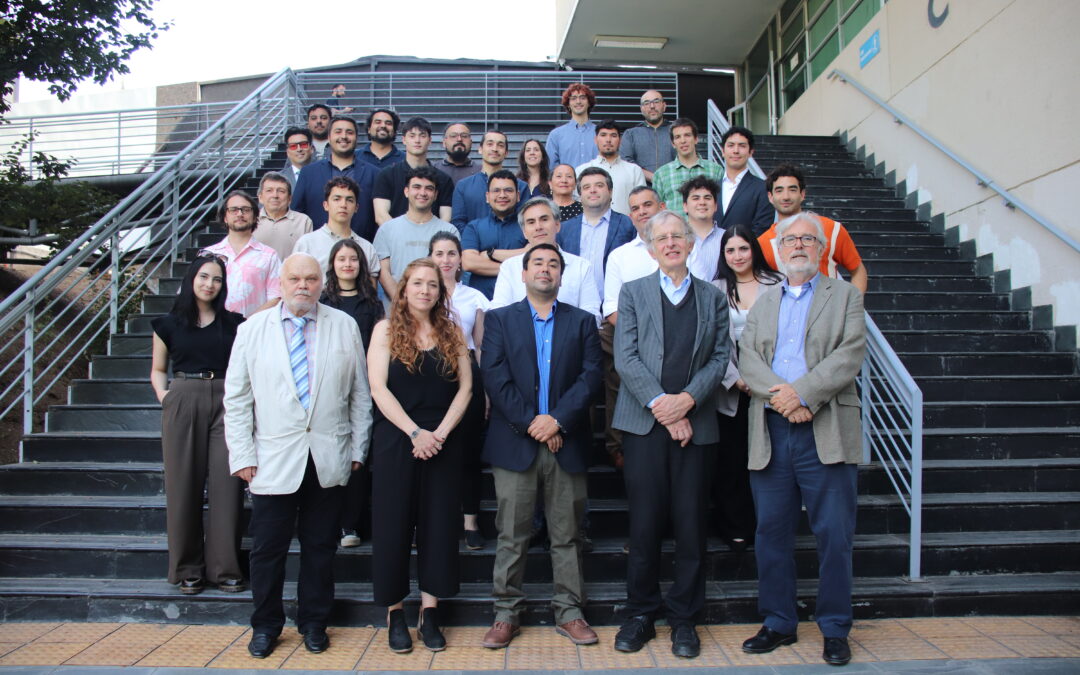
El proceso de evaluación incluyó una revisión científica internacional, con paneles de expertos convocados específicamente para analizar los avances científicos de cada instituto. En el caso de SAPHIR, la evaluación estuvo a cargo de los investigadores Christof Woell e Ignacio De Bediaga, quienes examinaron los resultados alcanzados por el centro durante su primer quinquenio. Las evaluaciones remotas se realizaron entre junio y julio de 2025, mientras que la evaluación en terreno tuvo lugar entre el 19 de noviembre de 2025.
Tras este proceso, los resultados fueron analizados por el Consejo Técnico Asesor (CTA) de la Subdirección de Centros e Investigación Asociativa de ANID, que aprobó la continuidad del instituto para un segundo período de cinco años, reconociendo la calidad y proyección del trabajo desarrollado por SAPHIR.
El nuevo ciclo del instituto contará con un financiamiento anual de 840 millones de pesos entre 2026 y 2029, lo que permitirá consolidar y expandir sus líneas de investigación en física de partículas subatómicas y fortalecer la participación de Chile en grandes colaboraciones científicas internacionales.
Durante sus primeros cinco años, SAPHIR ha contribuido activamente al desarrollo de ciencia de frontera en física de altas energías, participando en experimentos internacionales del CERN (Organización Europea para la Investigación Nuclear), uno de los principales centros de investigación del mundo en física de partículas. Entre sus colaboraciones destacan proyectos orientados a explorar fenómenos más allá del modelo estándar de la física, incluyendo la búsqueda de nuevas partículas y el estudio del sector oscuro del universo.
El inicio de este segundo quinquenio ocurre además en un contexto particularmente significativo para la ciencia chilena. En 2025, Chile fue aceptado como Estado Miembro Asociado del CERN, un hito histórico que fortalece la integración del país en las grandes colaboraciones internacionales de física de altas energías y abre nuevas oportunidades para investigadores, estudiantes e ingenieros chilenos.
En este nuevo escenario científico y político, SAPHIR se proyecta como un actor clave en la articulación de la comunidad chilena dedicada a la física de partículas, contribuyendo tanto al avance del conocimiento fundamental como al desarrollo de nuevas tecnologías asociadas a la investigación científica.
De cara a 2030, el instituto se propone profundizar su investigación en la estructura fundamental de la materia, la búsqueda de nuevas partículas y el desarrollo de instrumentación científica avanzada, además de continuar fortaleciendo la formación de nuevas generaciones de investigadores y la participación de Chile en proyectos científicos internacionales de gran escala.
Consolidado tras su evaluación quinquenal y posicionado como el instituto mejor evaluado del proceso, SAPHIR inicia así una nueva etapa de expansión científica, reafirmando su compromiso con la exploración de los misterios más profundos del universo y con el posicionamiento de Chile en la frontera de la física de partículas.
Más información sobre el trabajo del instituto está disponible en:
https://www.institutosaphir.cl/