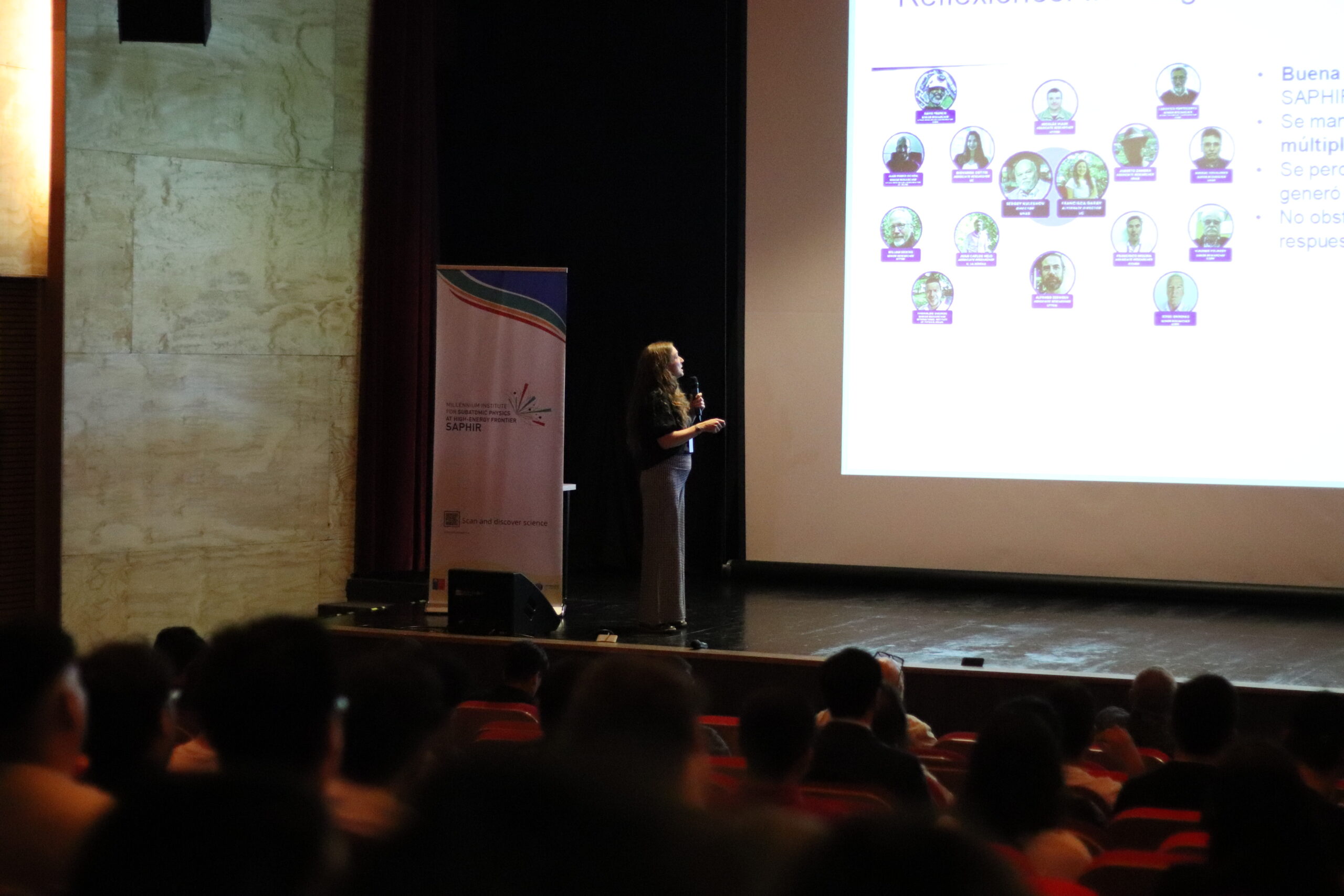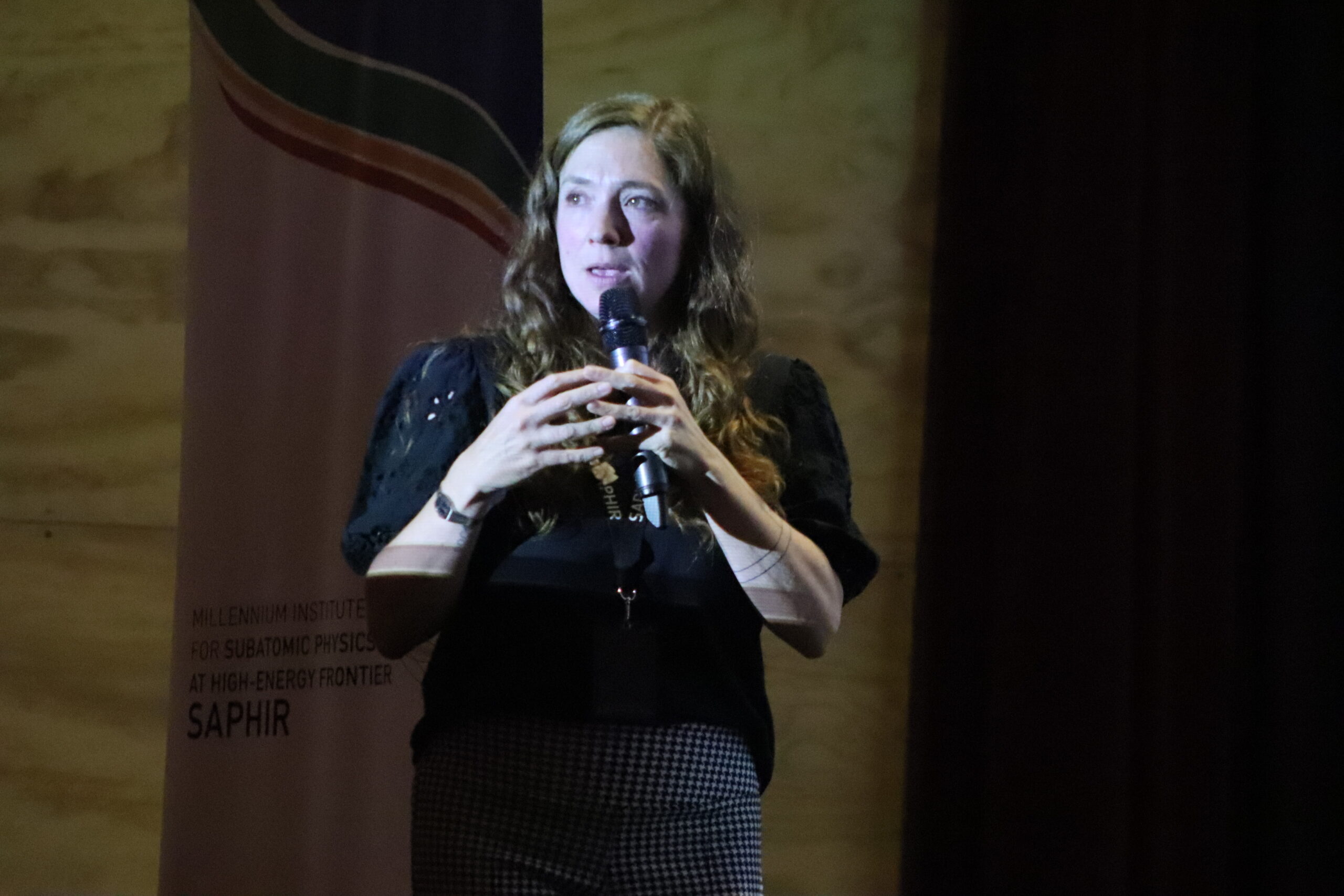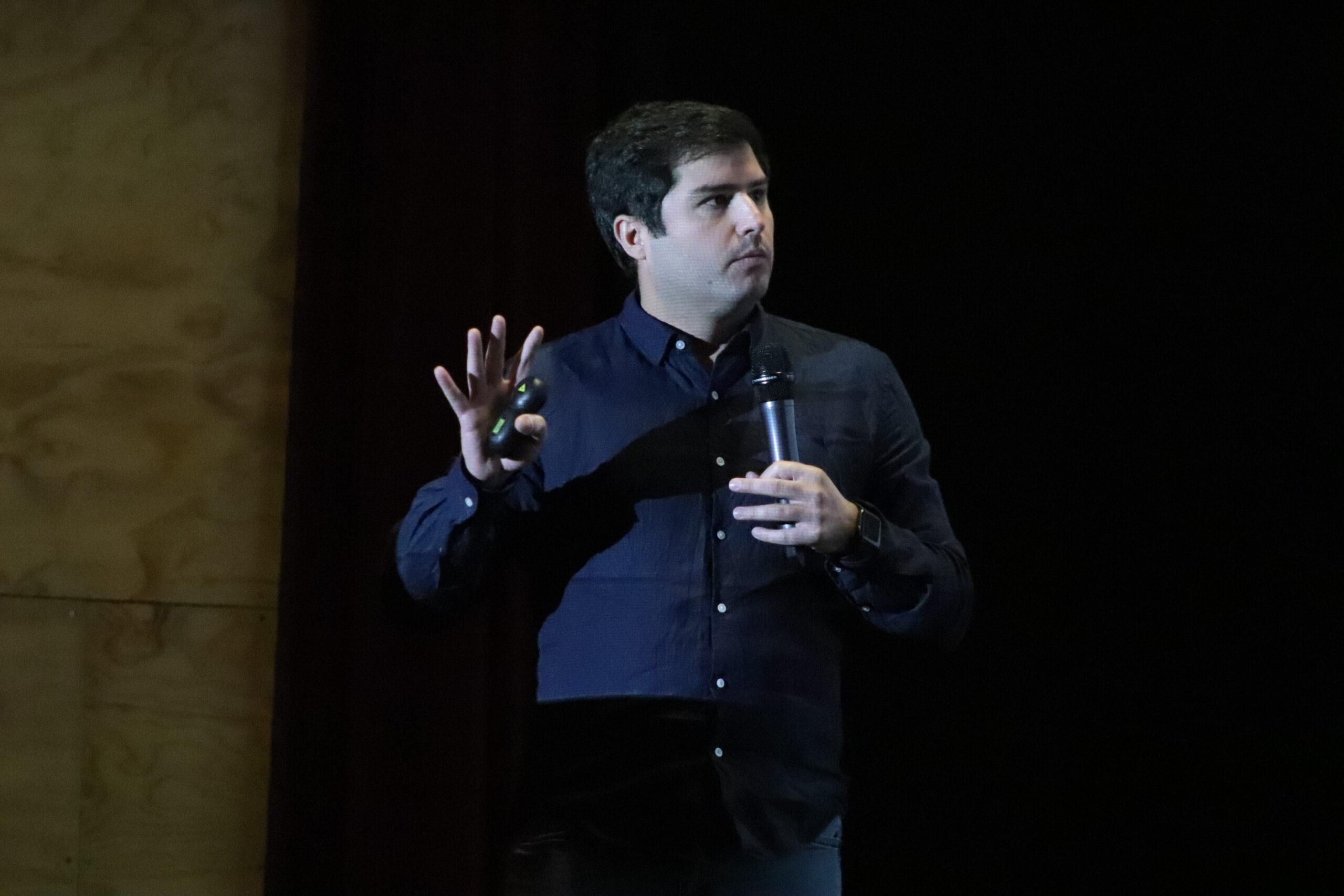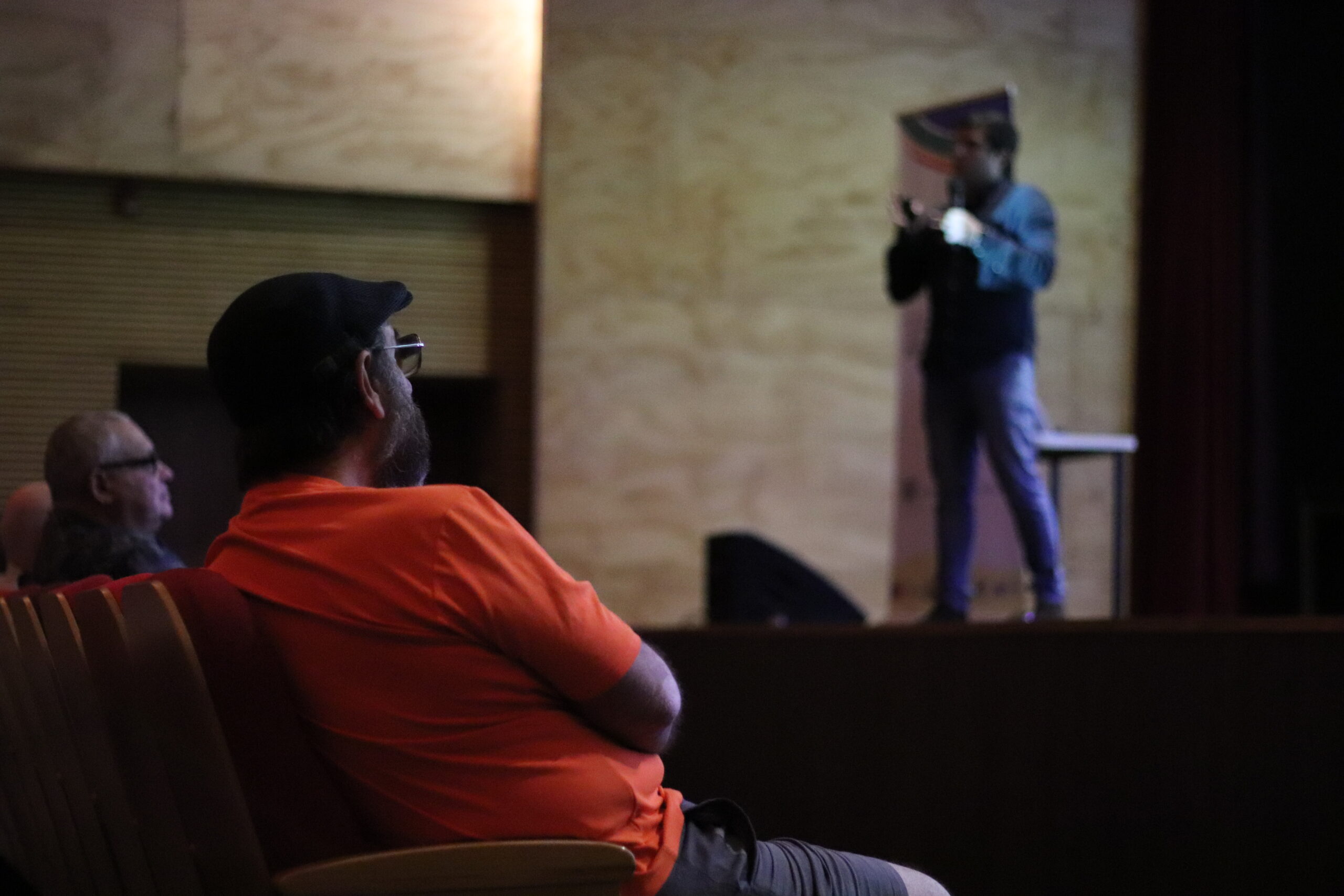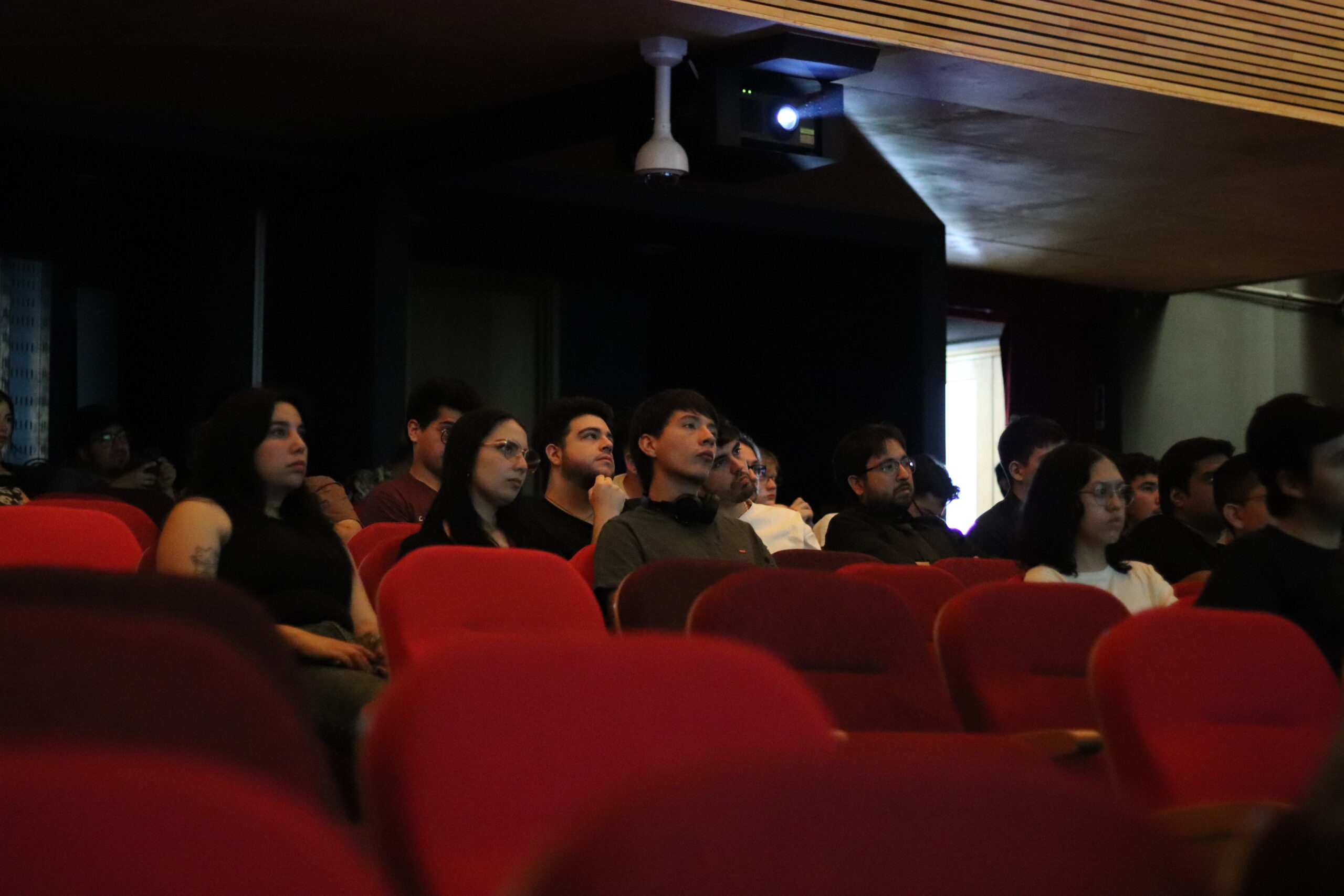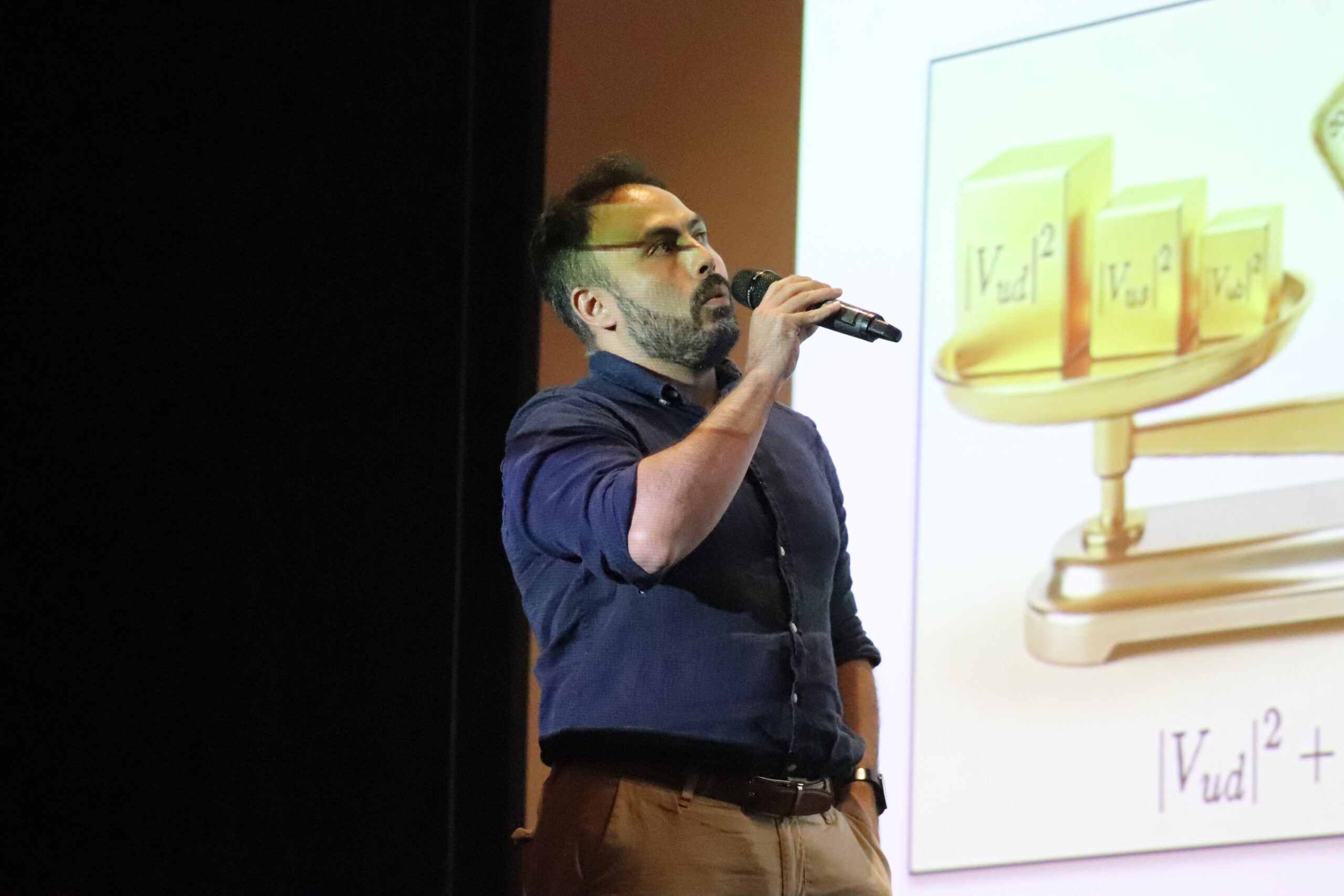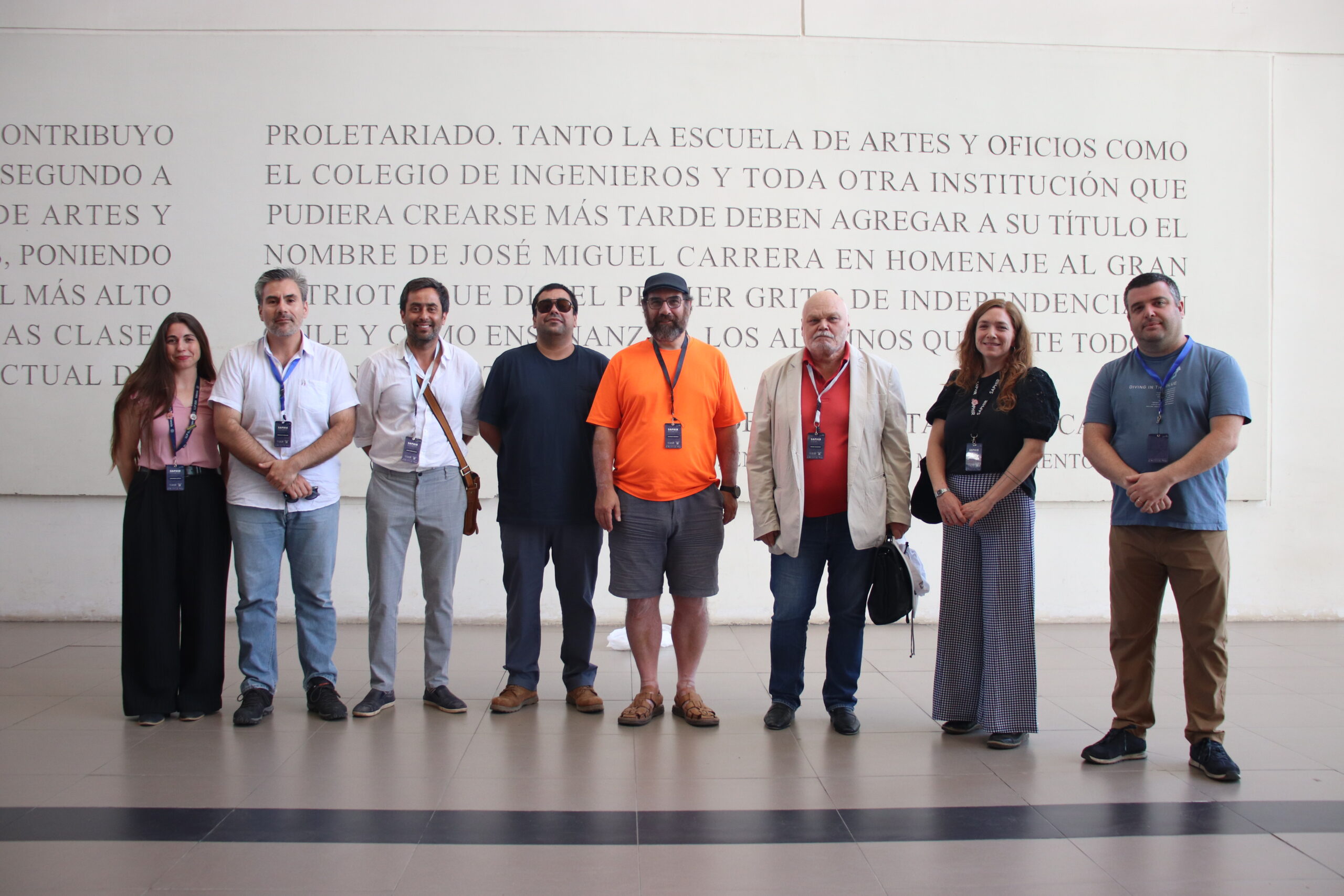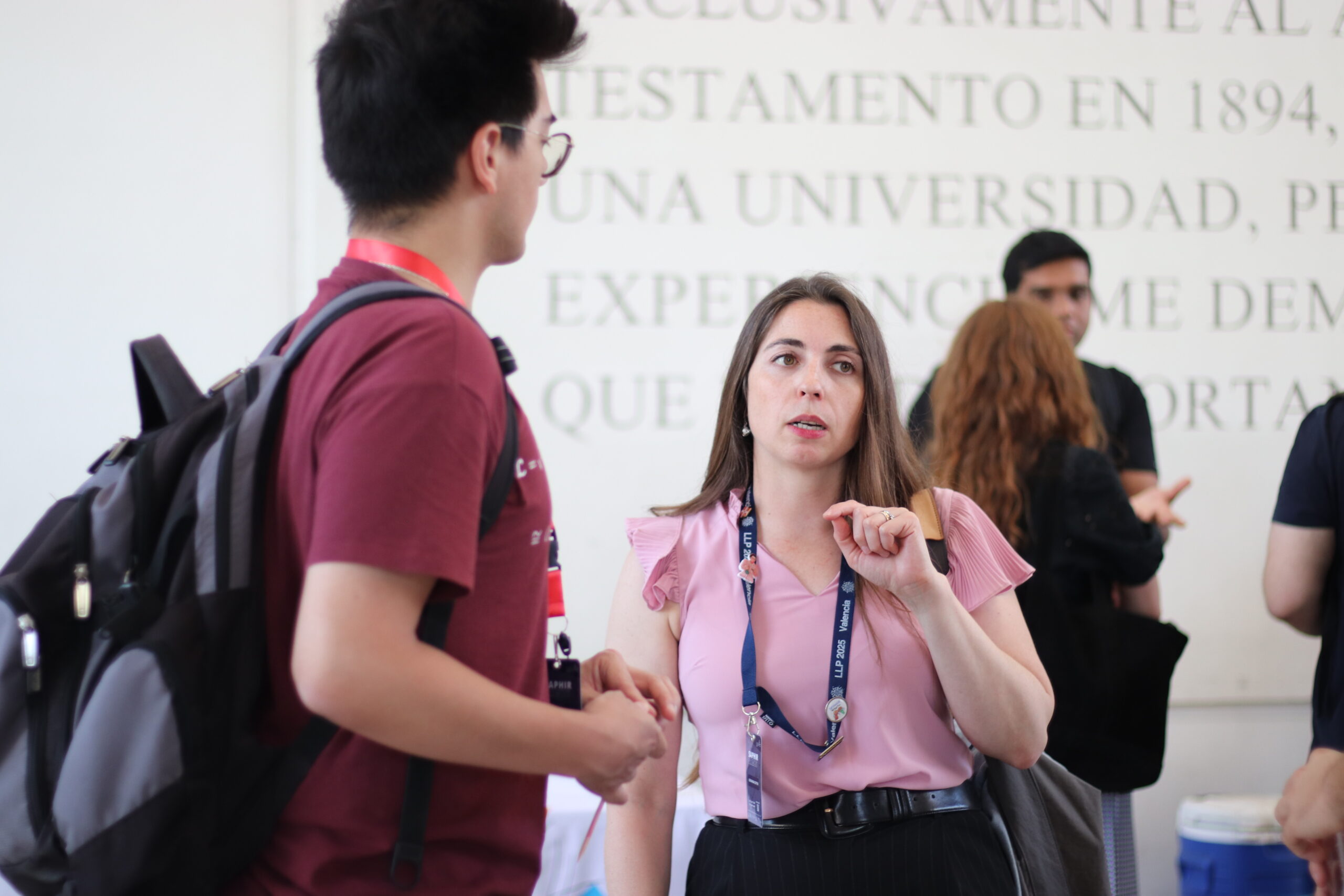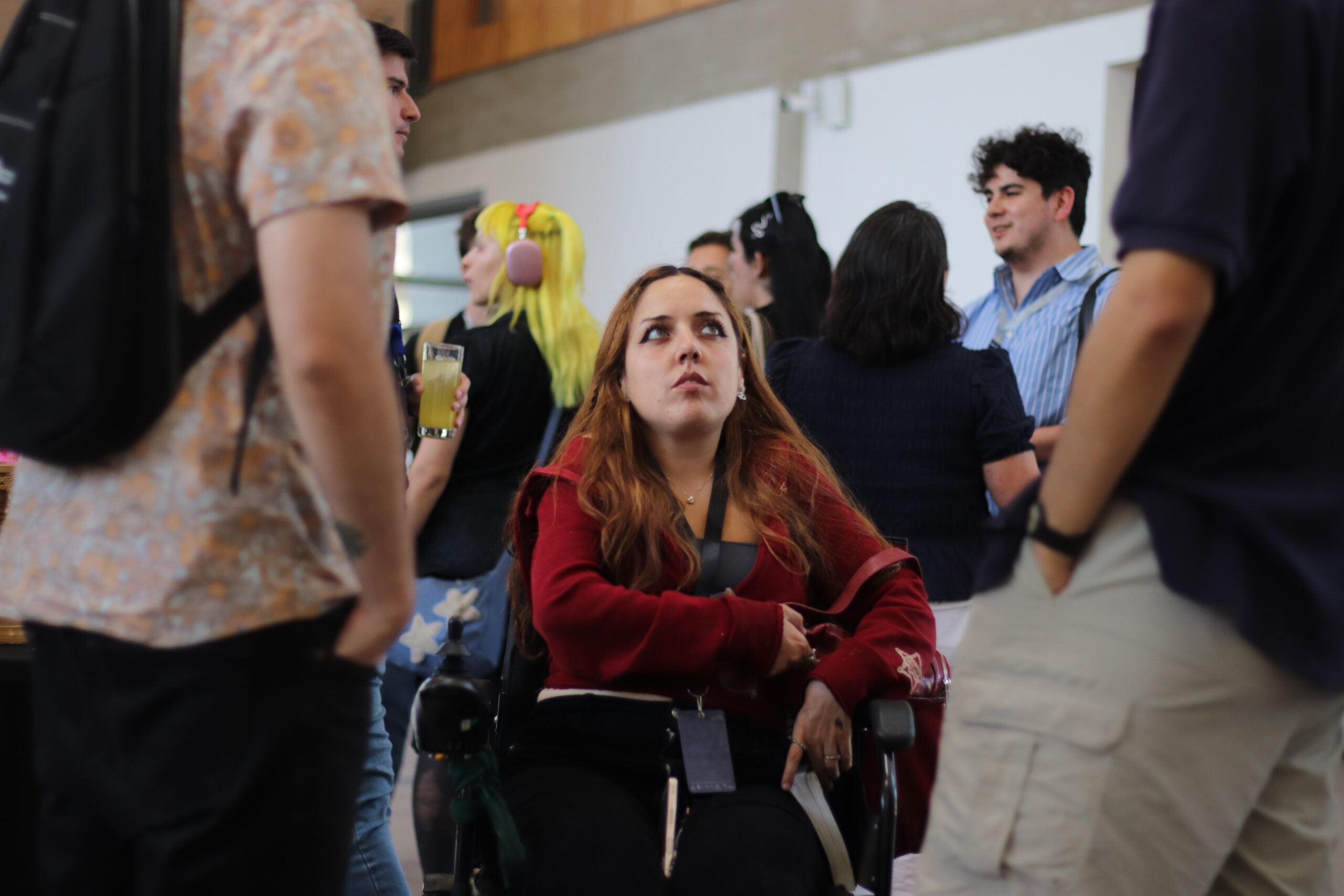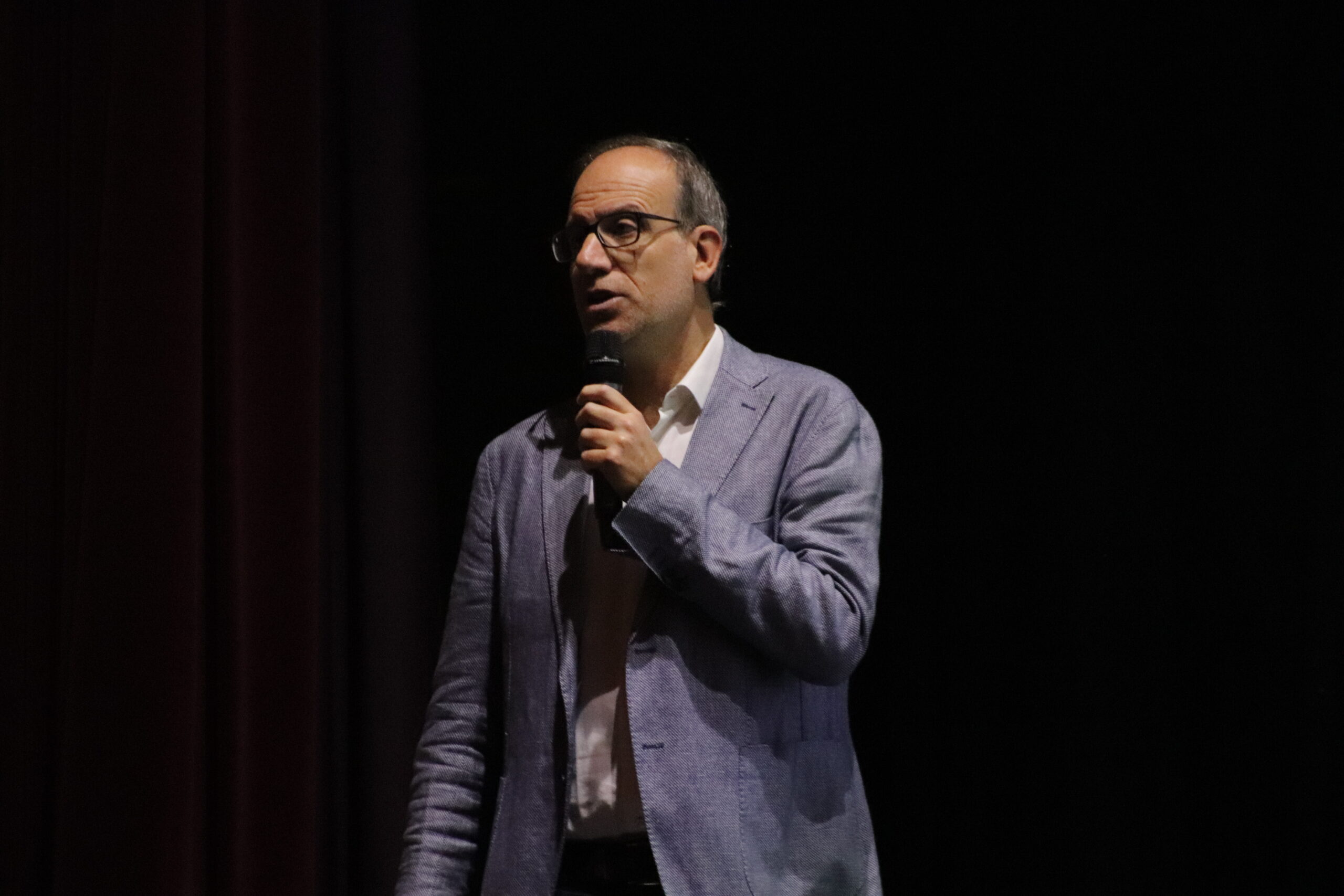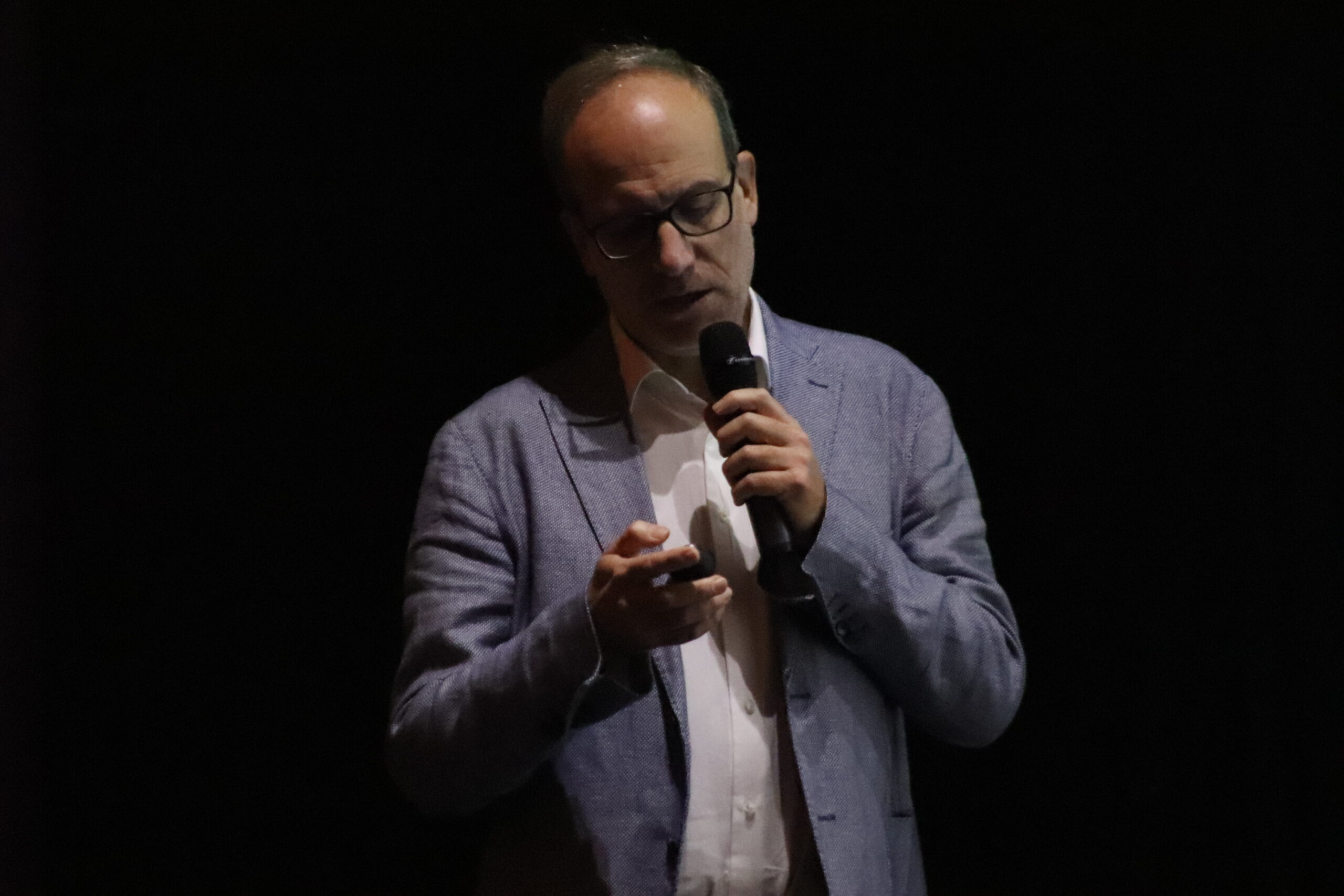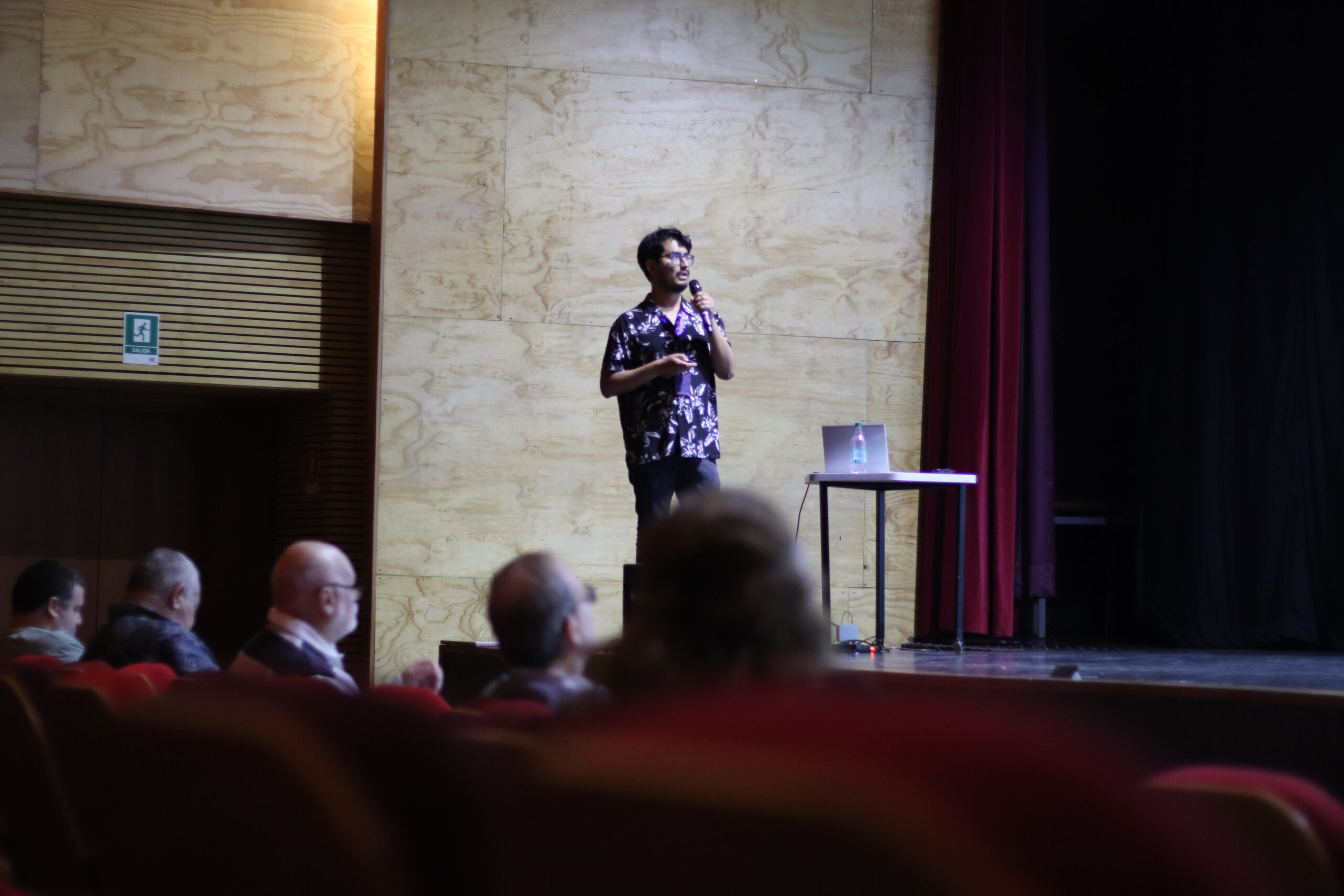
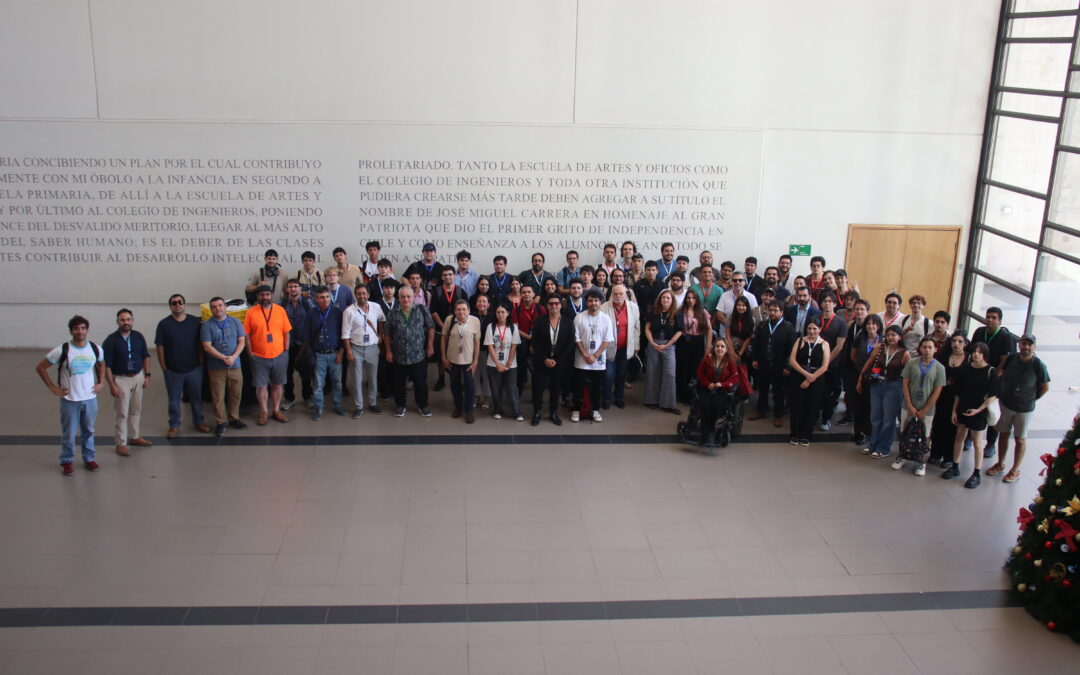
The SAPHIR Millennium Institute held a new edition of its Annual Review Meeting (SAPHIR ARM 2026) on January 7 and 8, 2026, at the San Joaquín Campus of the Federico Santa María Technical University, consolidating this meeting as a central space for evaluation, scientific projection, and strengthening of the institute's community.
ARM 2026 brought together dozens of SAPHIR students and researchers, along with prominent national and international speakers, in an intensive two-day program that combined cutting-edge scientific presentations, opportunities for institutional reflection, and spaces for meeting aimed at academic training and collaboration.
The opening day began with welcoming remarks and a session dedicated to reflecting on the five years of work of the SAPHIR Millennium Institute, addressing scientific advances, strategic challenges, and future projections. It also included a presentation on funding opportunities for internationalization, reinforcing the institute's commitment to the global integration of its scientific community.
The scientific program on the first day covered high-impact topics in particle and nuclear physics, including precision experiments in beta decay and fundamental symmetries, theoretical studies of hadronic structure and new physics in the NA64 and LHC experiments, as well as developments in strong decay models. These presentations allowed students and young researchers to interact directly with leaders in their respective fields.
The educational and equity dimension was also present with the talk "Atomic Girls," an initiative aimed at generating opportunities for girls and young women in STEM areas, reinforcing SAPHIR's commitment to scientific outreach and inclusion. The day closed with a meeting of SAPHIR students, a key opportunity for internal exchange and community building.
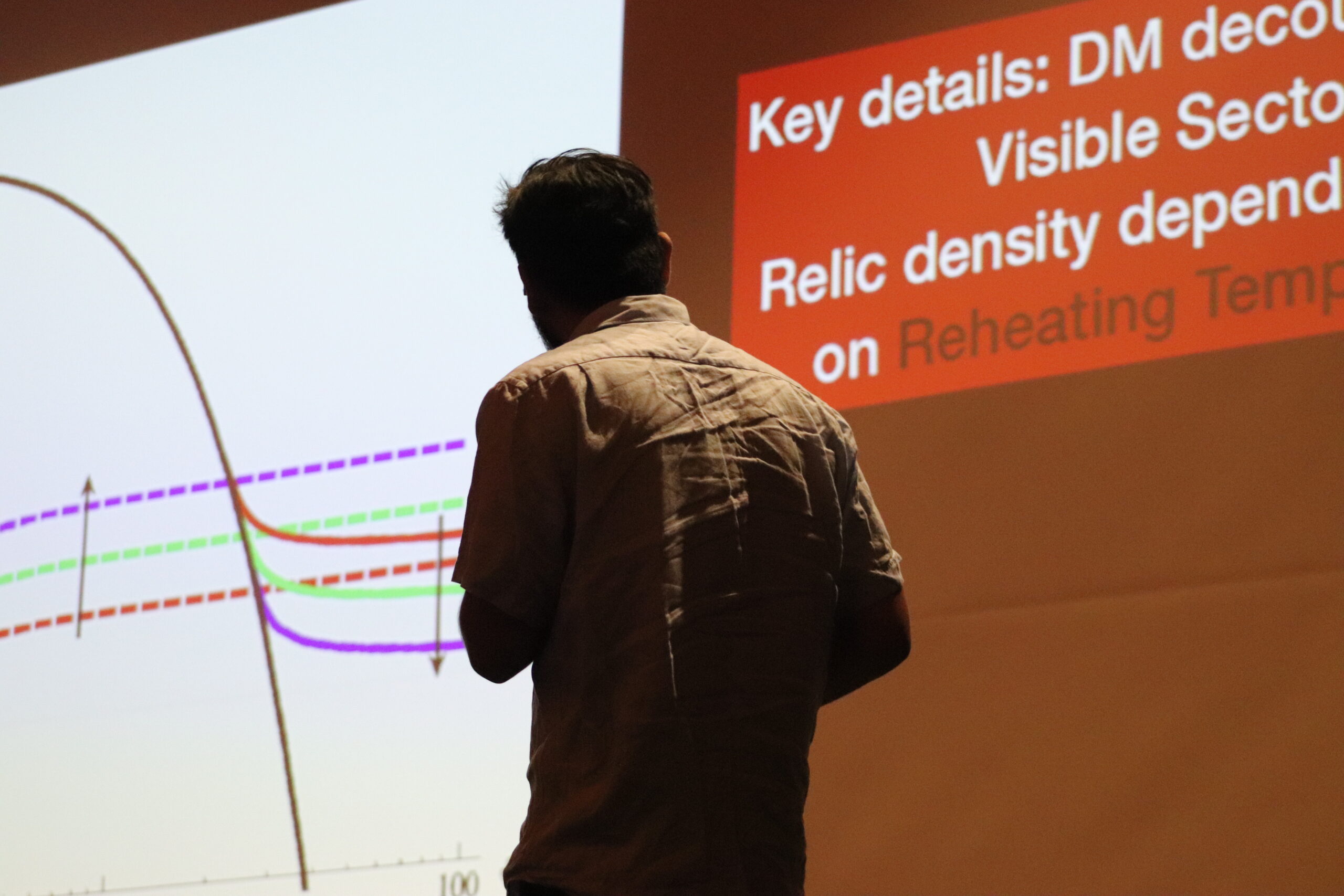
The second day of ARM 2026 was marked by a keynote speech by renowned physicist Giovanni De Lellis, who offered a high-level overview of the current challenges in particle physics. The program continued with presentations focused on accessible inflationary models in colliders, long-lived particles, and their relationship to the reheating temperature of the universe, addressing fundamental questions in cosmology and physics beyond the Standard Model.
During the afternoon, advances in instrumentation and observation were presented, including the CONDOR Observatory, developments in cosmic ray neutron spectroscopy, electronic characterization in AC-LGAD detectors, and specific studies related to the SHiP experiment, such as neutron spectra and background rejection strategies. The program culminated with a presentation on restrictions on the B-L model in future FCC-hh colliders, highlighting SAPHIR's projection toward next-generation experiments.
The meeting was actively attended by researchers from the SAPHIR Millennium Institute, led by its director, Sergey Kuleshov, an academic at Andrés Bello University, and by the alternate director, Francisca Garay, an academic at the Institute of Physics of the Pontifical Catholic University of Chile, who highlighted the importance of the ARM as a fundamental space for evaluating the work carried out, projecting new lines of research, and strengthening the training of advanced human capital.
The holding of SAPHIR ARM 2026 at the Federico Santa María Technical University reaffirms the Millennium Institute SAPHIR's commitment to inter-university collaboration, the decentralization of its activities, and the consolidation of a scientific community of excellence that is active and connected to the main challenges of particle physics at the international level.