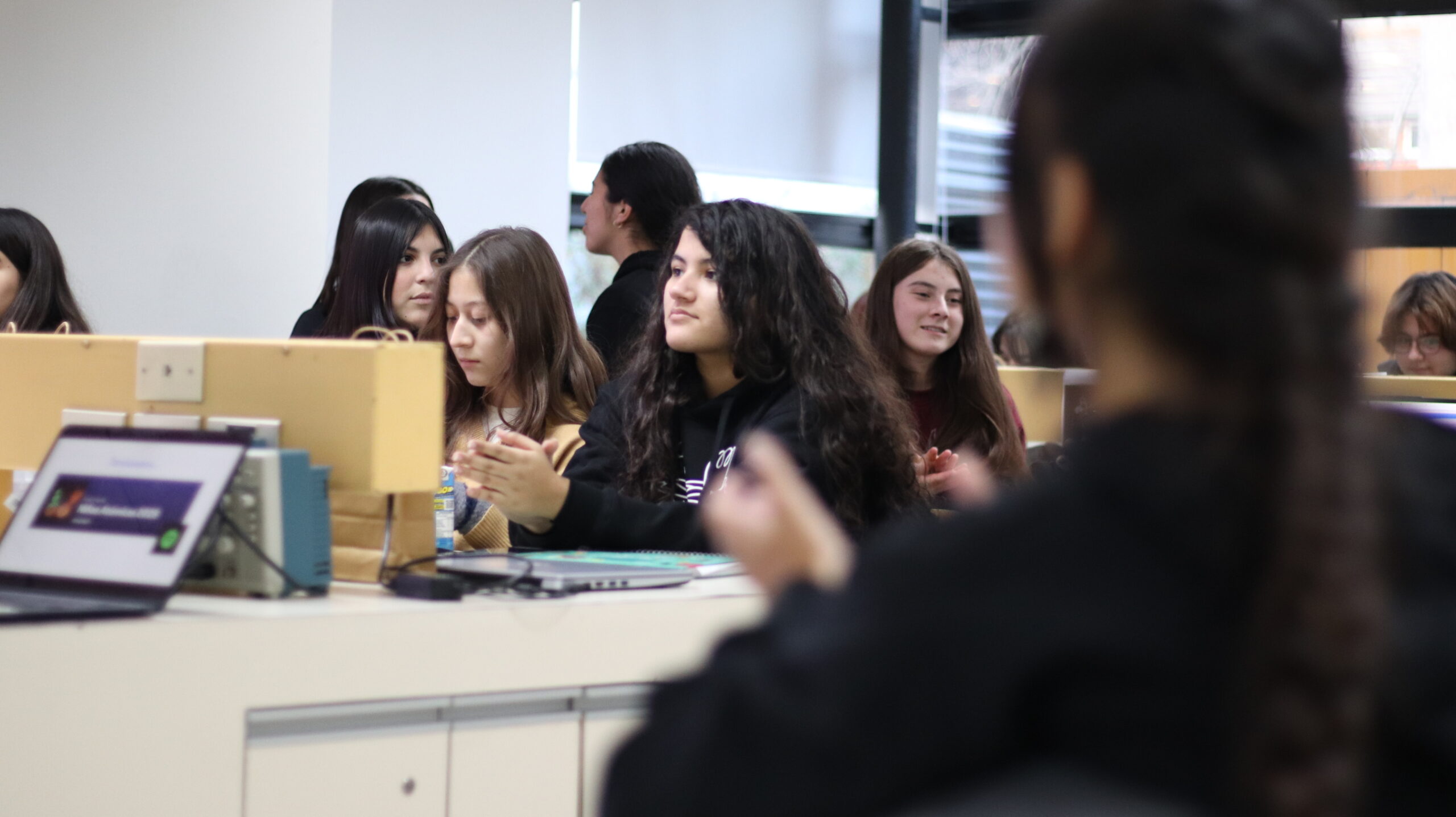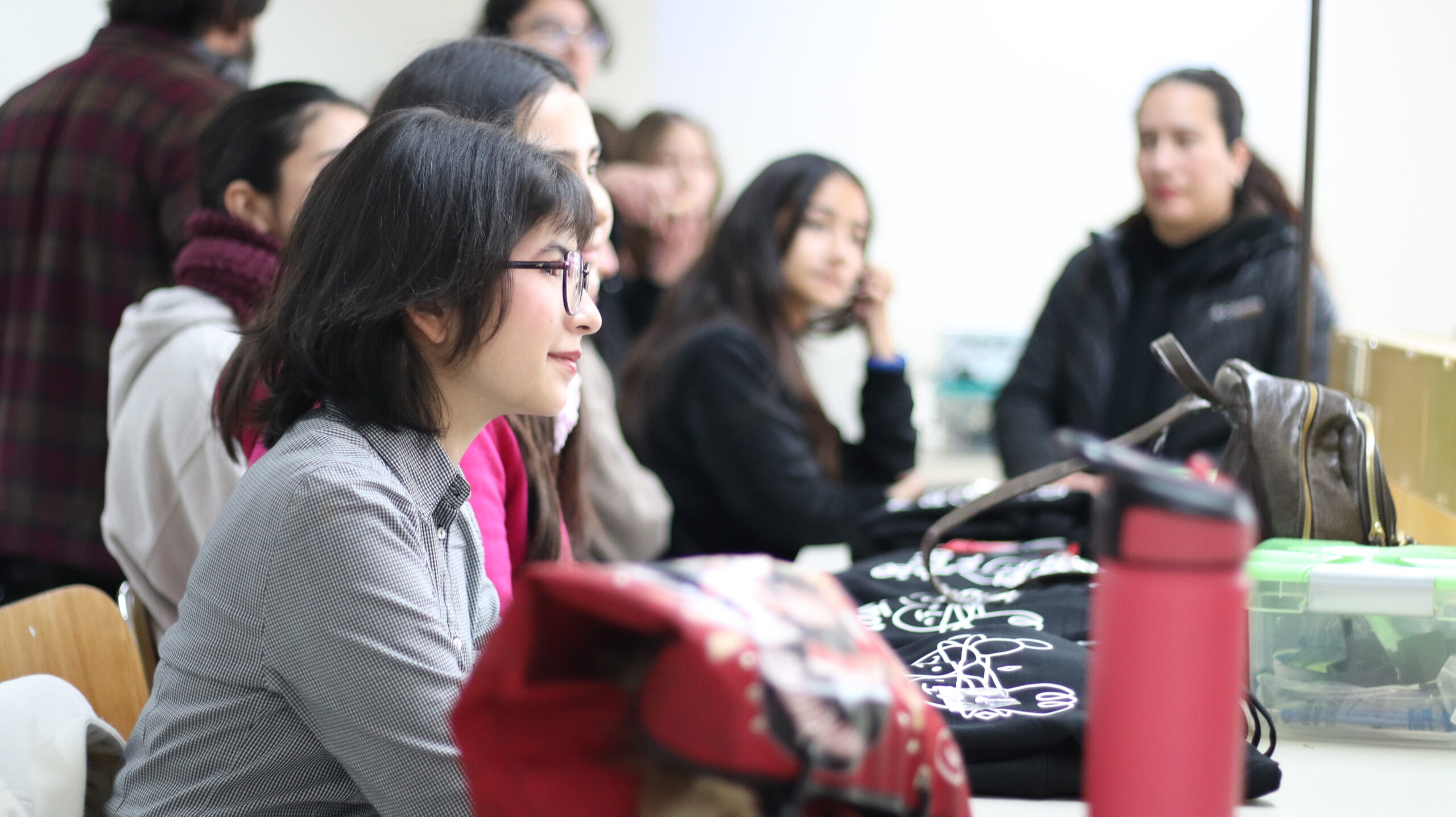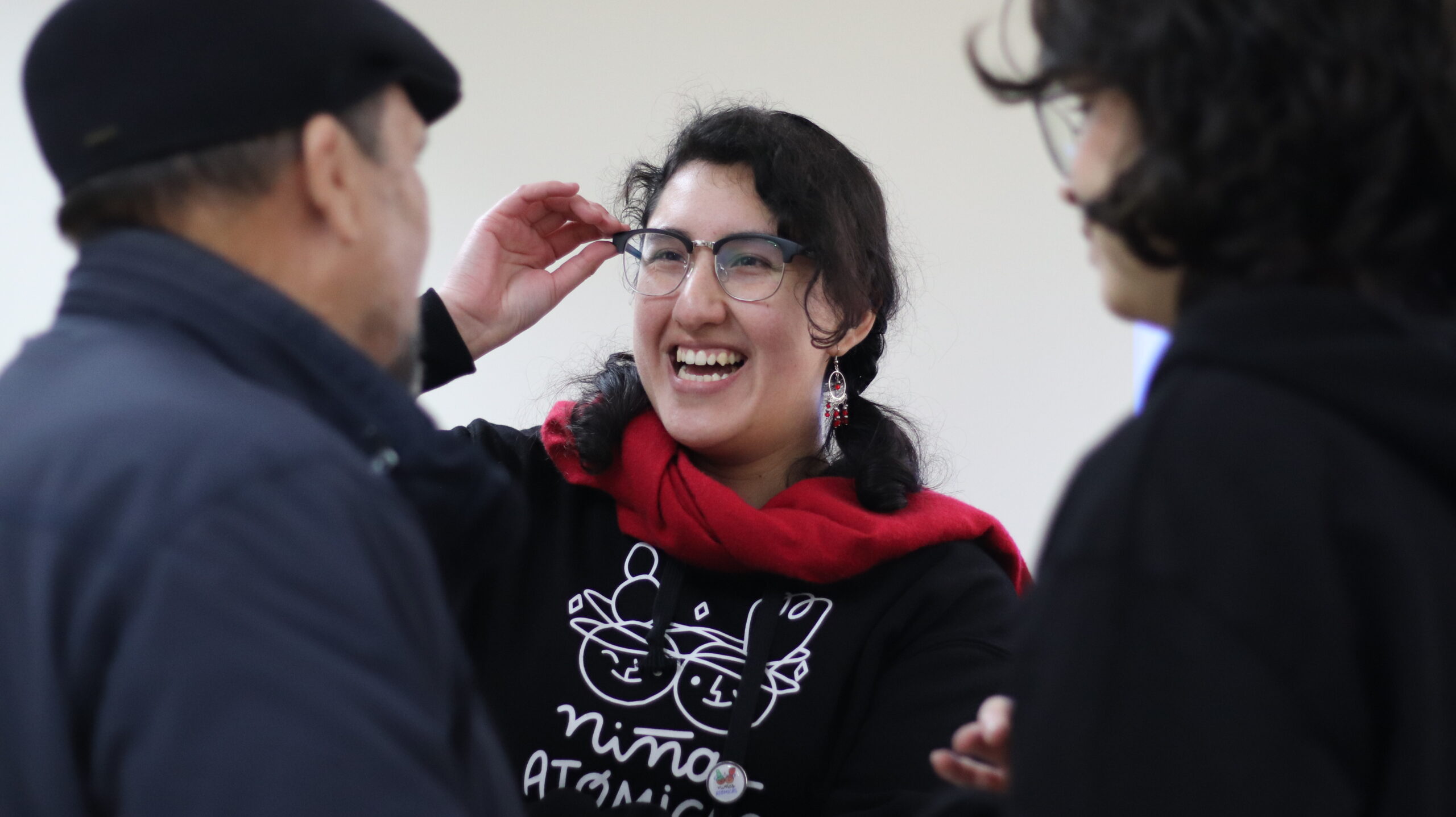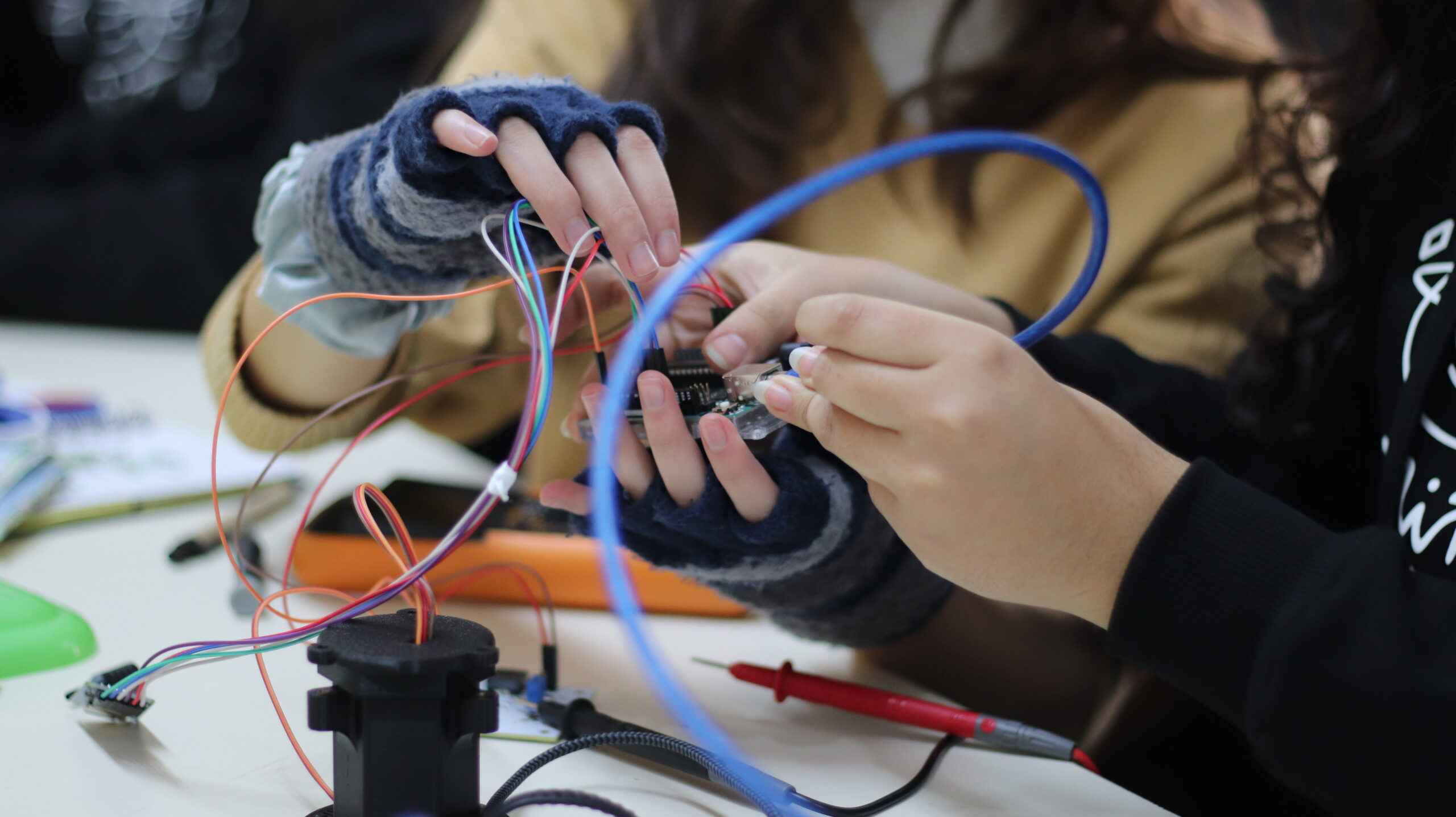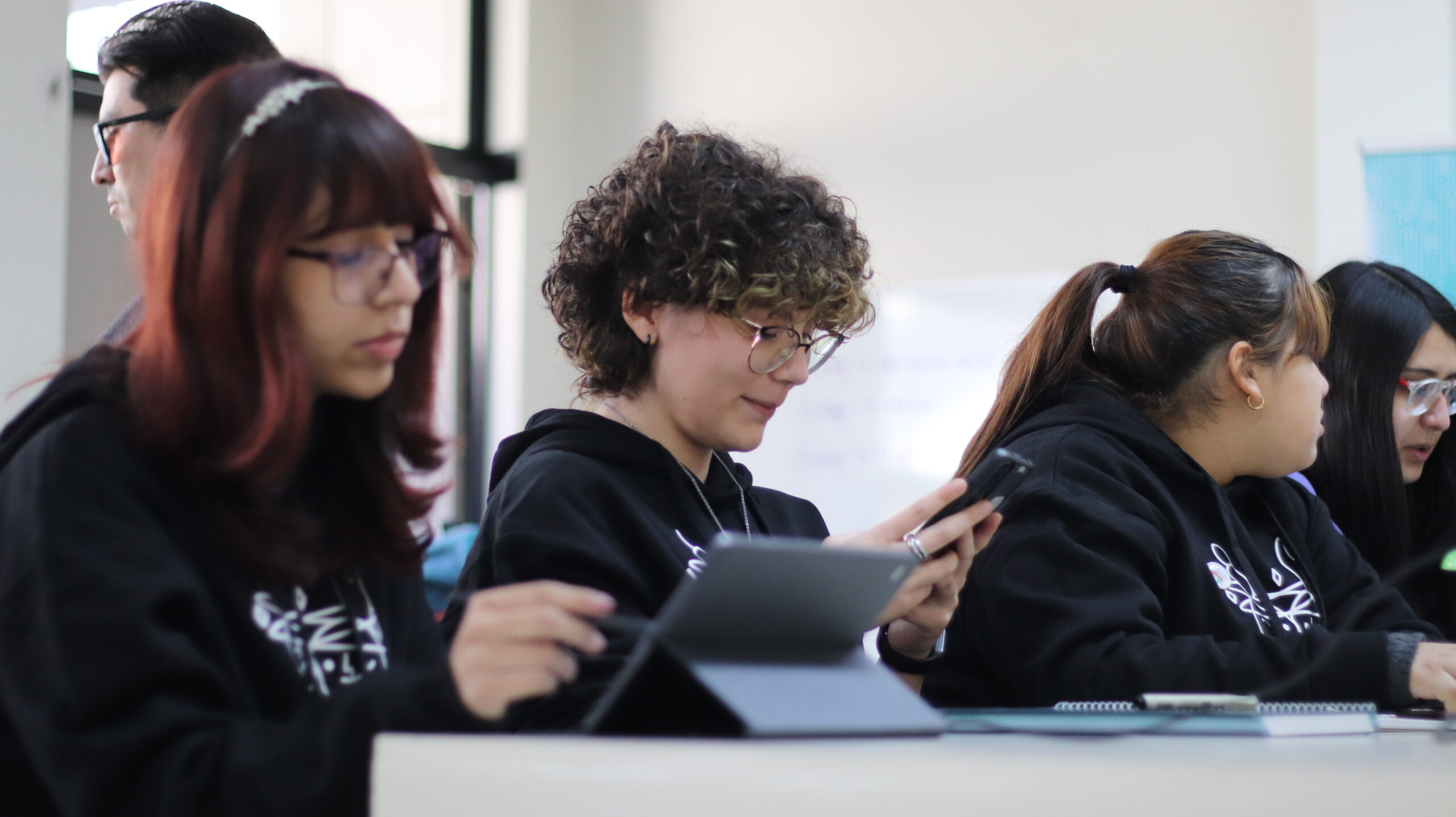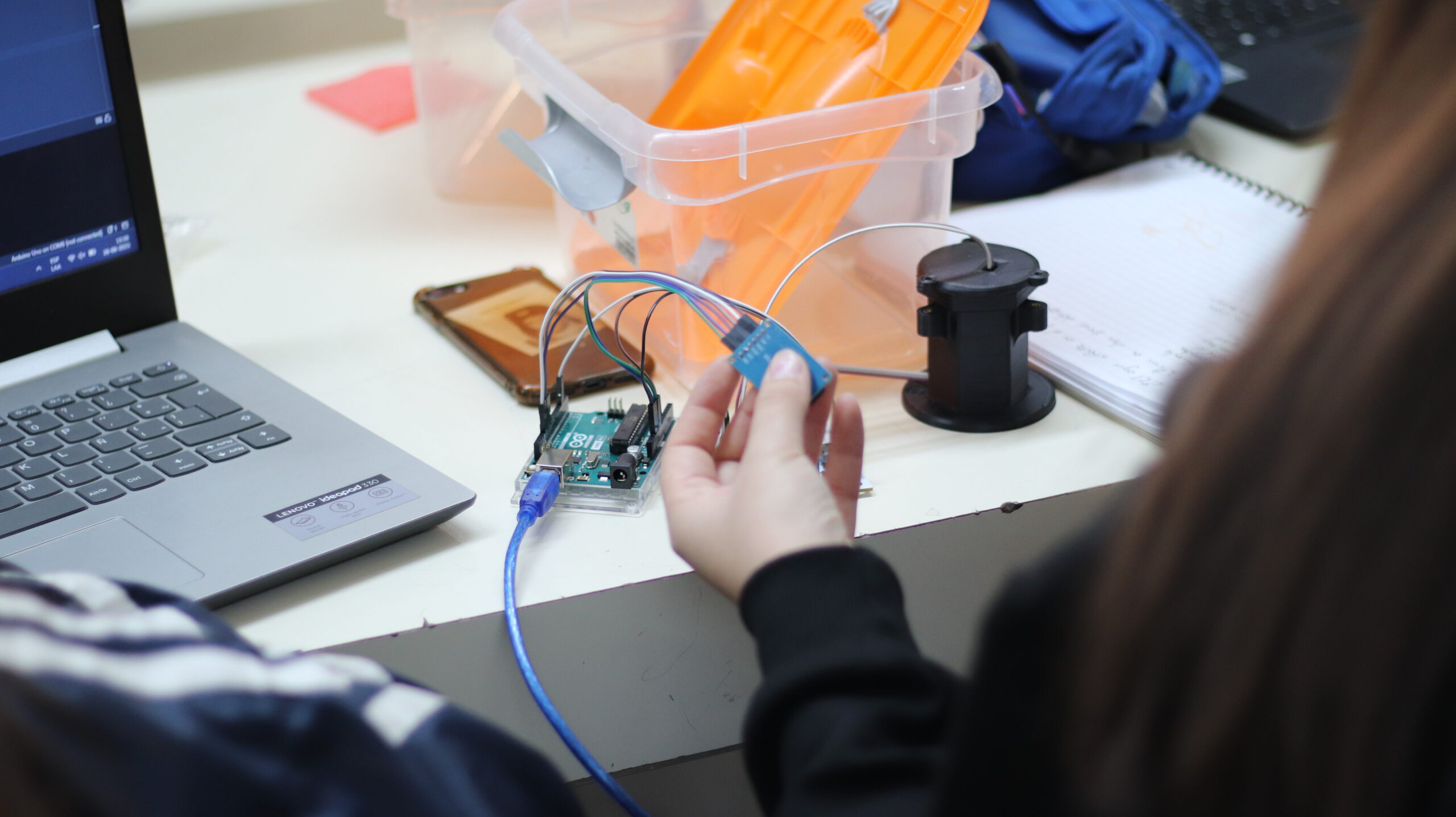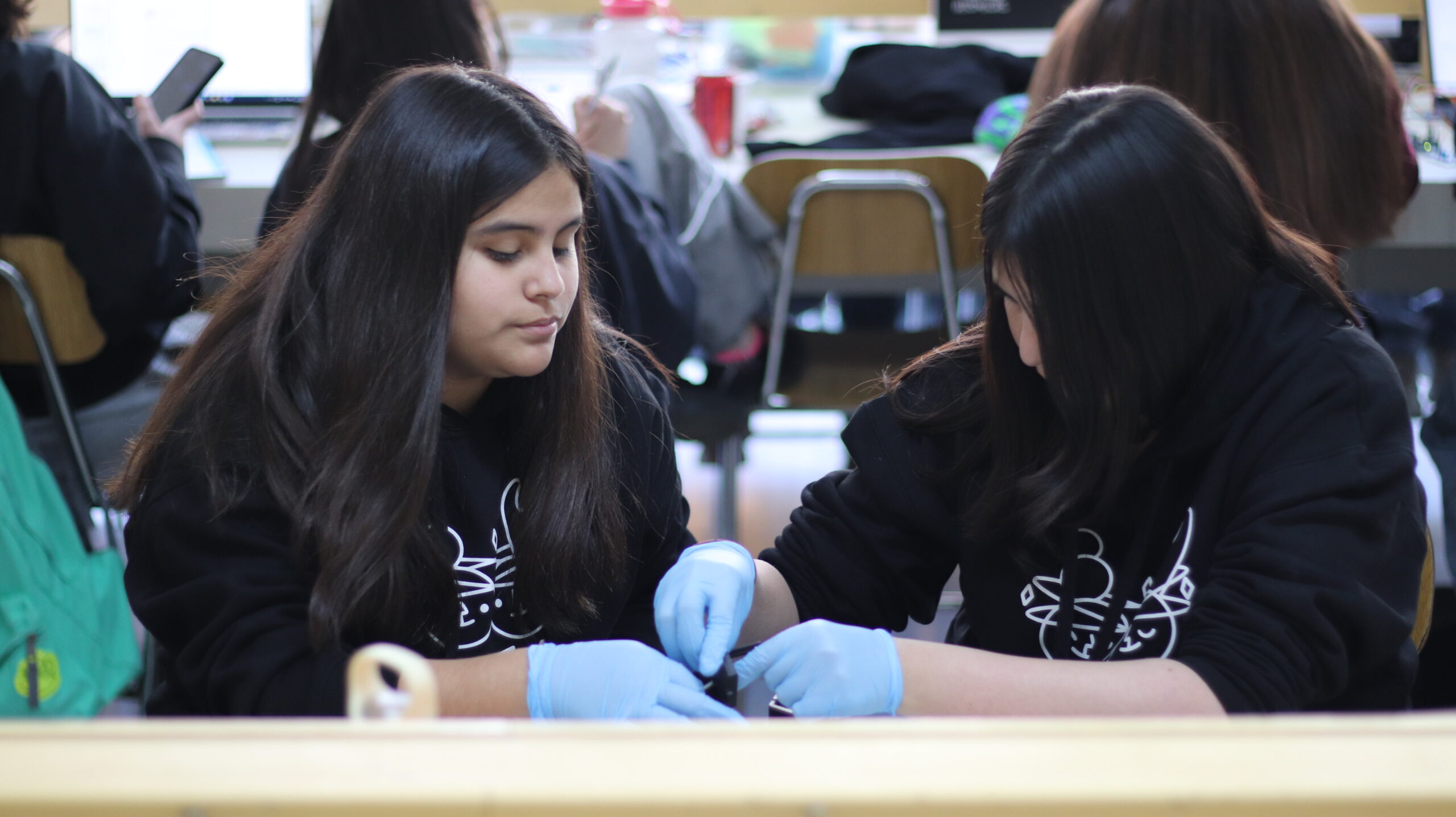
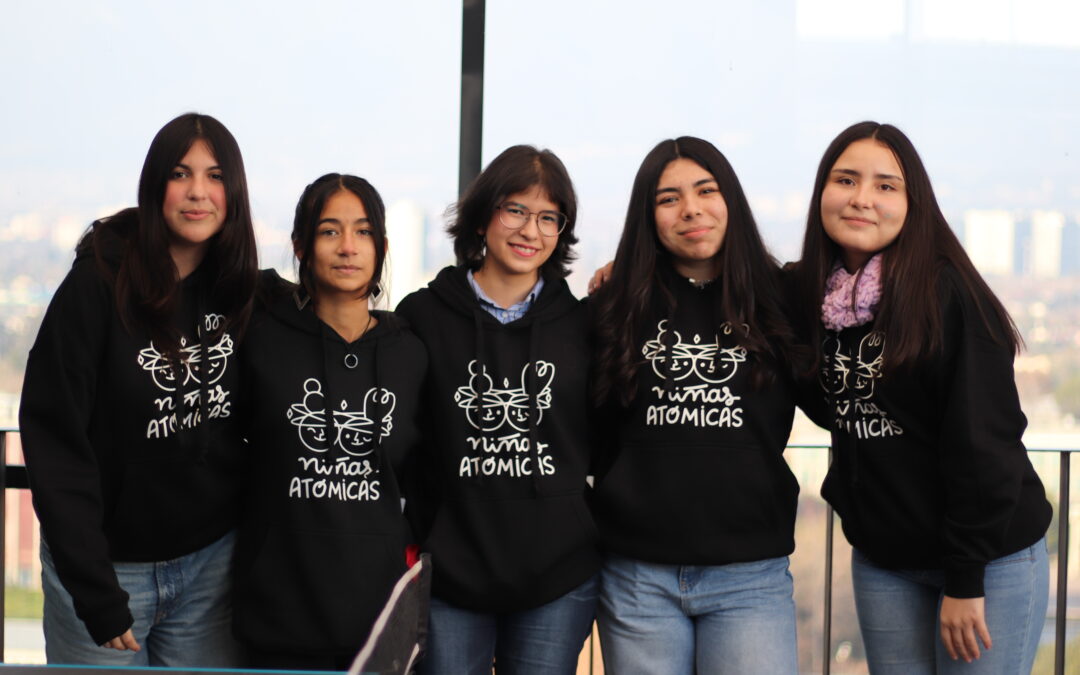
With enthusiasm and a strong commitment to early science education, a new version of the Atomic Girls 2025 workshop was launched, an initiative promoted by Dr. Francisca Garay and Dr. Giovanna Cottin, academics at the Physics Institute of the Pontificia Universidad Católica de Chile and researchers at the SAPHIR Millennium Institute. The program seeks to bring physics and scientific research closer to high school girls, motivating vocations in traditionally masculinized areas such as particle physics and programming.
This year, 30 students selected from more than 250 applicants from different regions of the country will participate in the workshop. Throughout the program, participants will explore content on particle physics, computational thinking, Python programming, and key tools of scientific methodology, all in a hybrid format that combines virtual classes with face-to-face experiences in Santiago. This modality has made it possible to expand the territorial scope of the program, including girls who live outside the Metropolitan Region, thus strengthening its inclusive and decentralized nature.
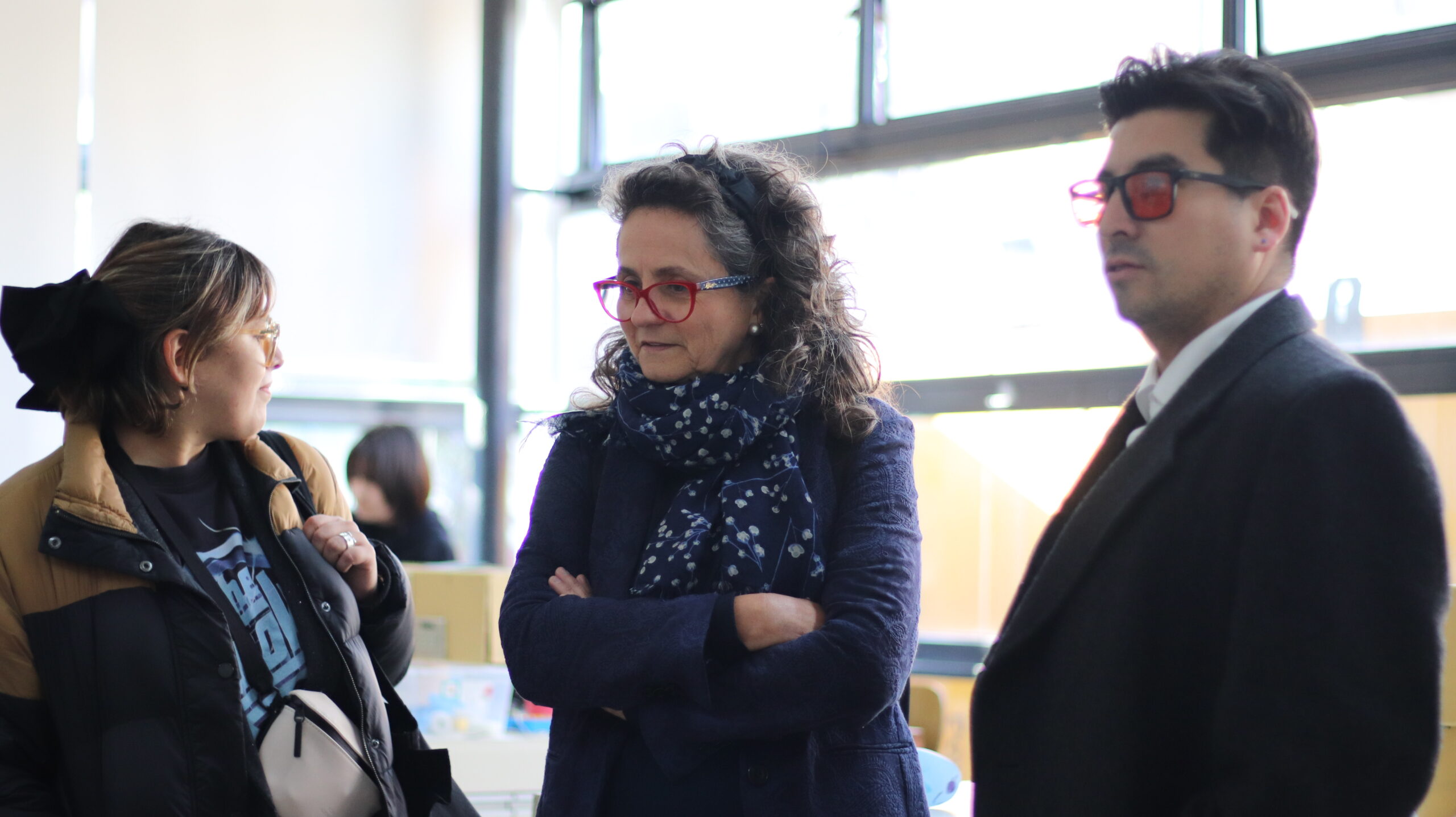
As part of the start of activities, during the week of June 23, the first face-to-face sessions were held at the San Joaquin Campus of the UC, including a welcome breakfast attended by both students and their parents. The event was attended by institutional authorities such as Denise Gómez, Deputy Director of National Funds of the UC Research Department; the Dean of the Faculty of Physics, Prof. Samuel Hevia; and the Director of the Institute of Physics, Prof. Roberto Rodríguez. Also in attendance was part of the administrative team of the Millennium Institute SAPHIR, headed by its executive director, Felipe Olivares León. The activity was an opportunity to formally welcome the participants, reinforce the sense of community and highlight the relevance of their participation.
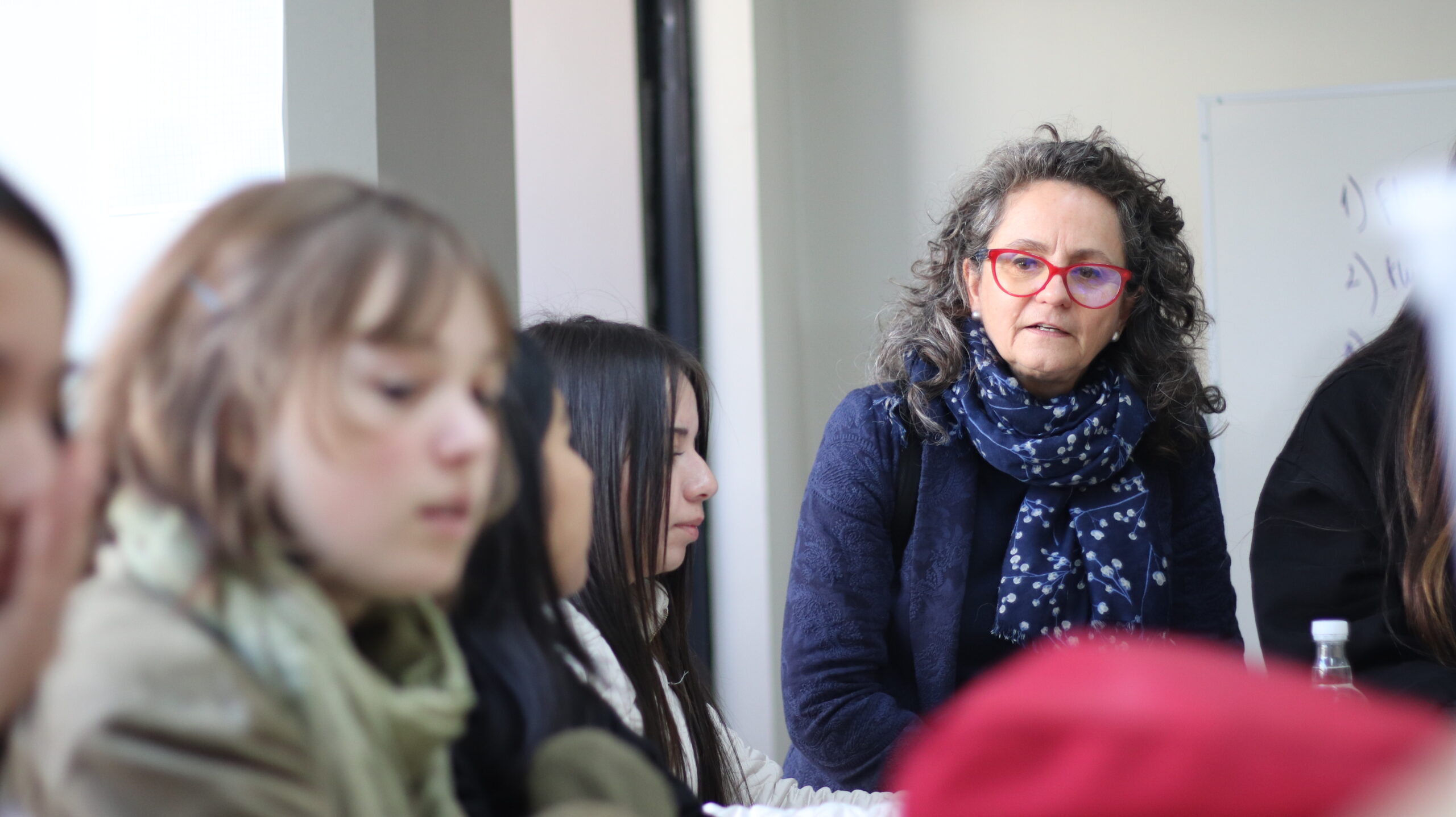
On Thursday, June 26, the workshop participants received a special visit from Maria Elena Boisier, Research Director of the Pontificia Universidad Católica de Chile, who shared words of support and congratulations, recognizing the value of such initiatives to encourage the participation of young women in science, and reaffirming the institutional commitment to scientific training with a gender approach.
The Atomic Girls workshop is part of the efforts of the Millennium Institute SAPHIR to encourage female participation in the exact sciences from an early age, challenging gender stereotypes and expanding opportunities for more girls to see themselves as future scientists. With activities that include experimental workshops, visits to research centers, talks with scientists and collaborative dynamics, this initiative continues to consolidate itself as a transformative space to inspire new scientific vocations throughout Chile.
The strong commitment of the Millennium Institute SAPHIR, with the support of ANID as the project sponsor, and the support of the Pontificia Universidad Católica de Chile as the host institution, in the development of this outreach workshop should be highlighted. This collaborative work has been key to give life to a rigorous, inspiring and decentralized educational experience, which will culminate this Thursday, July 3, with a closing day that will once again bring together the participants and their families around science.