The Southern Wide-field Gamma-ray Observatory (SWGO) is an international project to build a wide-field gamma-ray observatory in the southern hemisphere. Its objective is to detect and study very high-energy astrophysical sources - such as supernovae, pulsars and active galactic nuclei - by observing gamma-ray-generated particle showers interacting with the Earth's atmosphere. By complementing the existing observatories in the northern hemisphere, SWGO will allow a broader sky coverage, significantly improving our understanding of the most extreme processes in the universe.
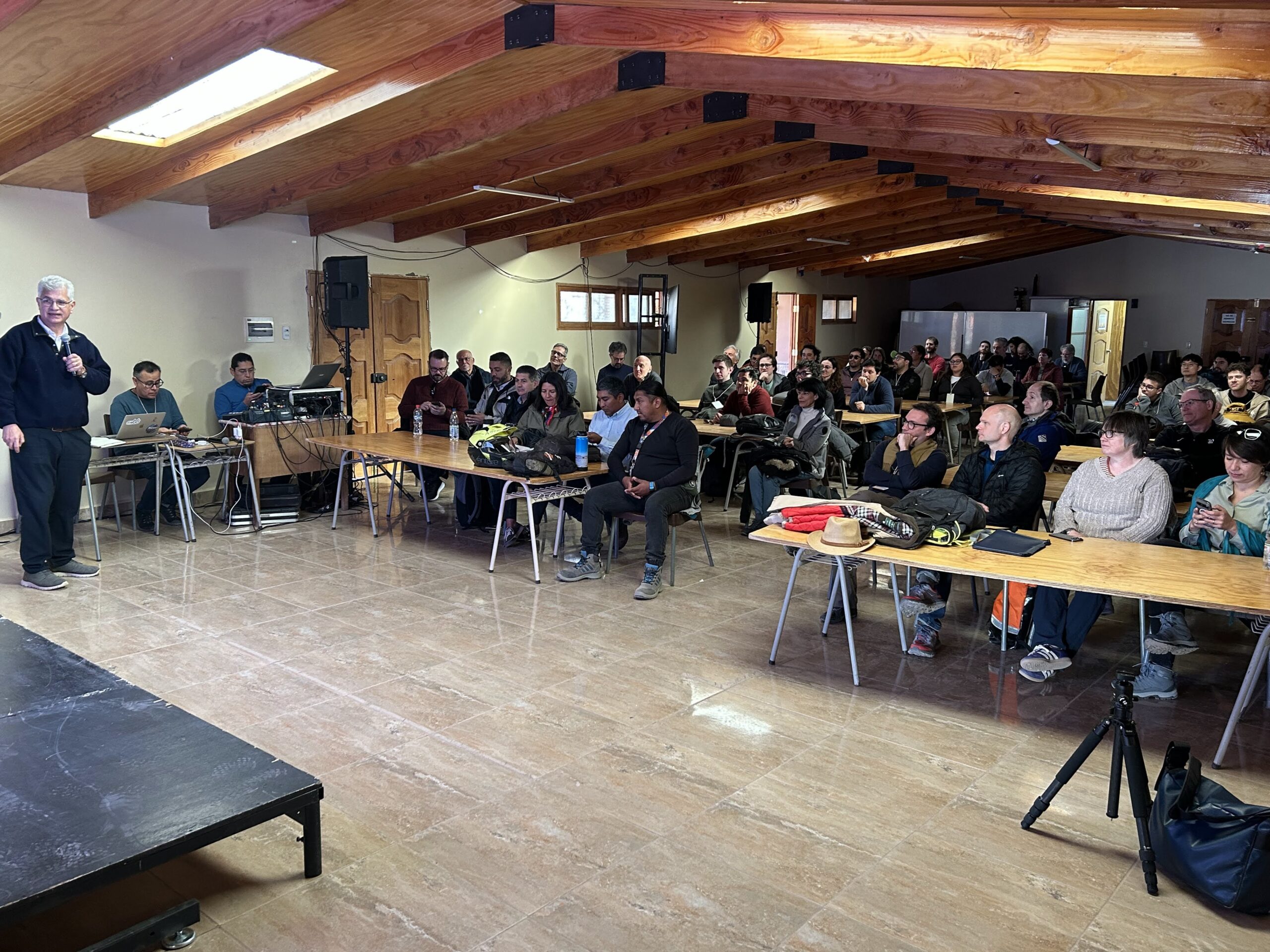
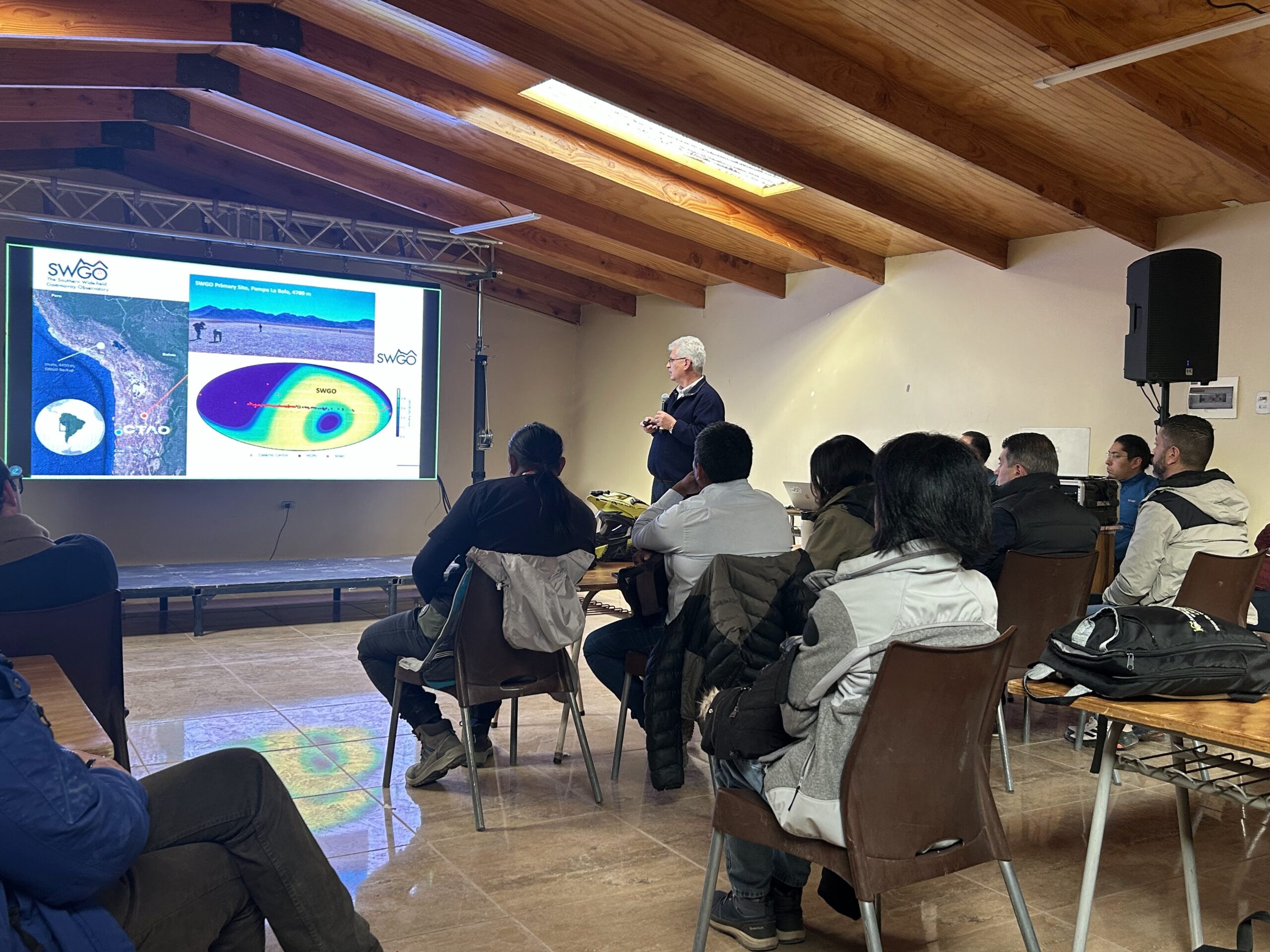
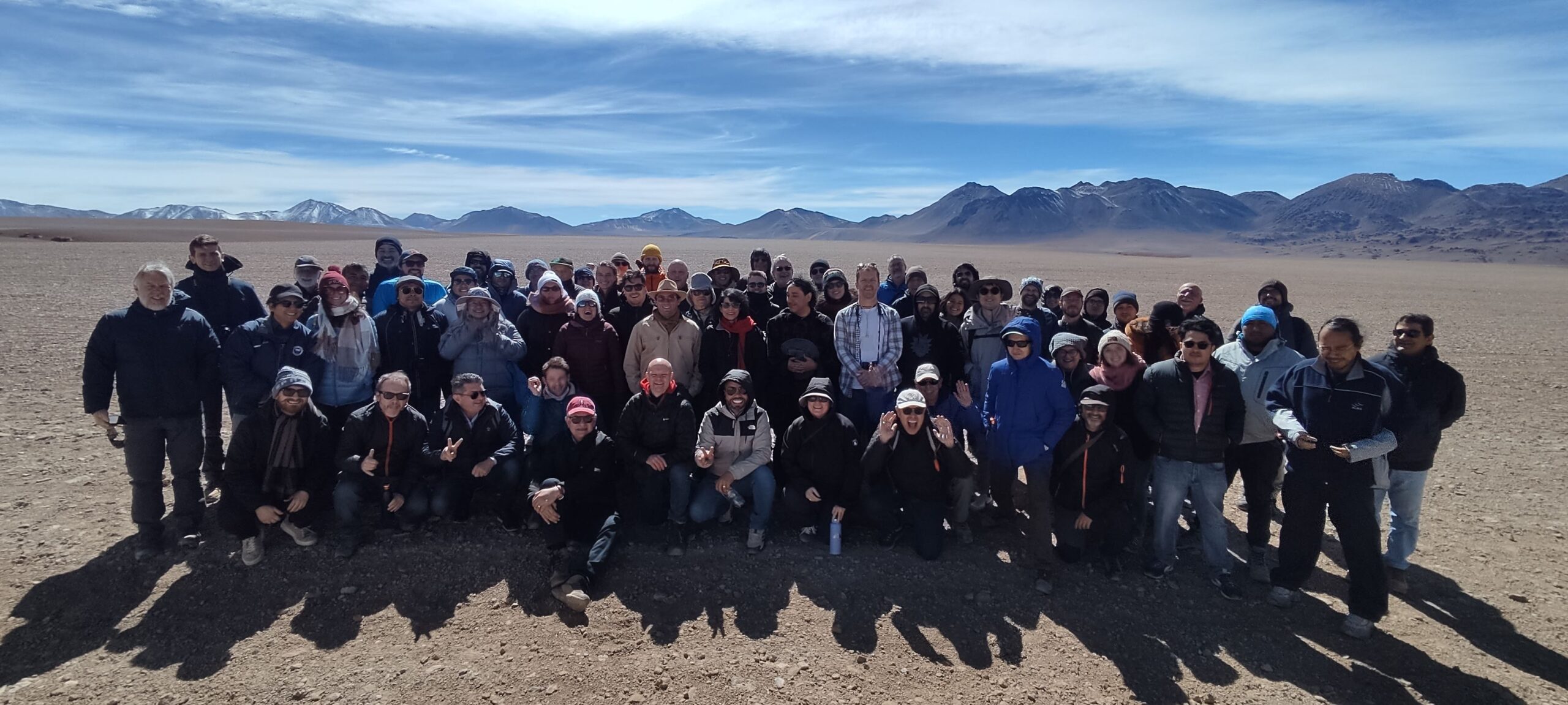
The recent participation of the Millennium Institute SAPHIR in the 12th meeting of the international collaboration of the SWGO project, held in San Pedro de Atacama, marked a milestone in strengthening the link between Chilean science and one of the most ambitious astrophysical observation initiatives in the southern hemisphere. The event provided an opportunity to learn about the scope of this project, which contemplates the installation of a large-scale observatory in the Atacama Astronomical Park, specifically in the sector known as "Pampa la Bola". "The meeting was an invaluable opportunity to learn in depth about the scientific and organizational scope of this initiative," said Felipe Olivares, executive director of SAPHIR, highlighting the scale and diversity of the collaboration, which includes more than 90 institutions from 16 countries.
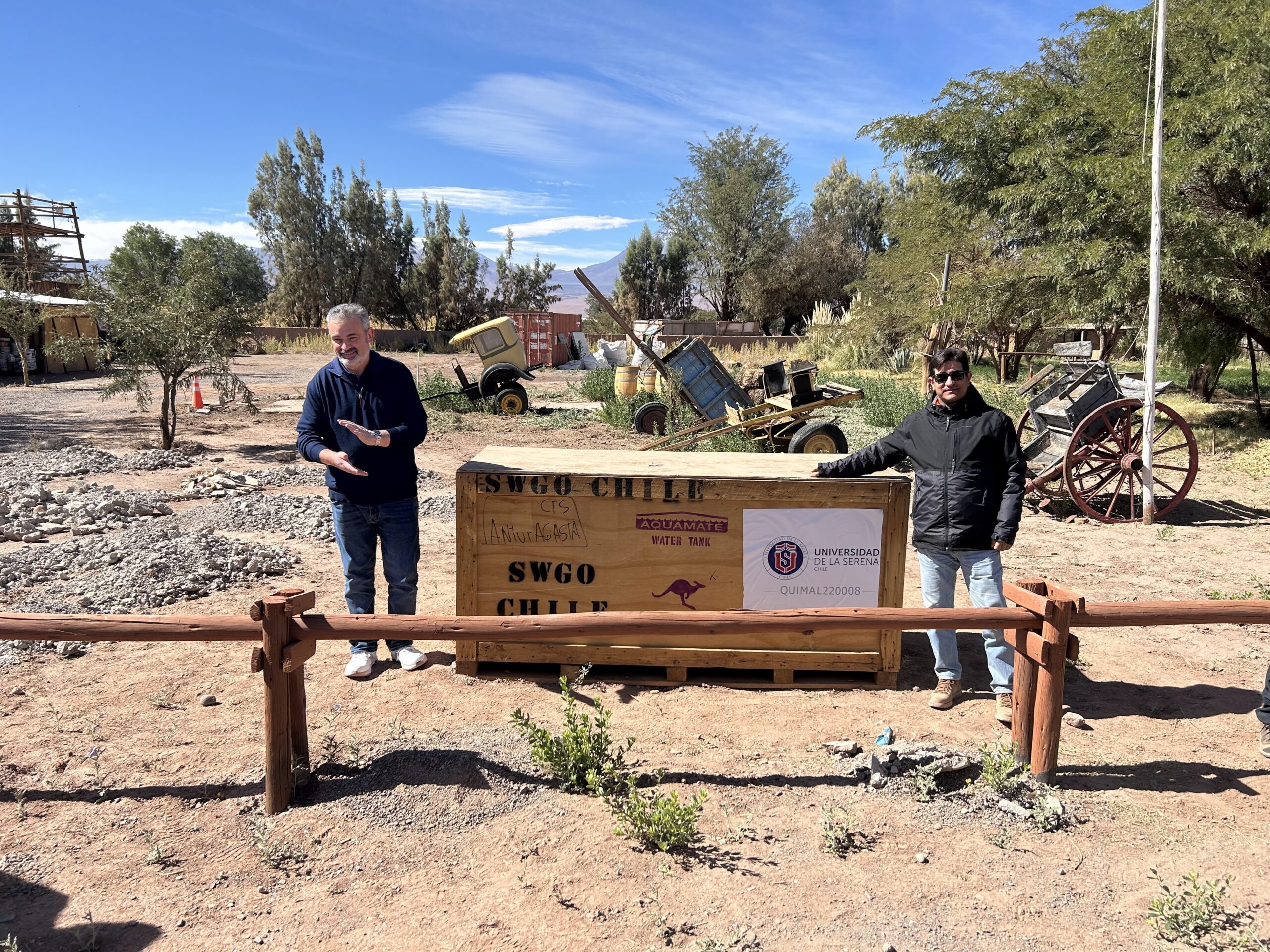
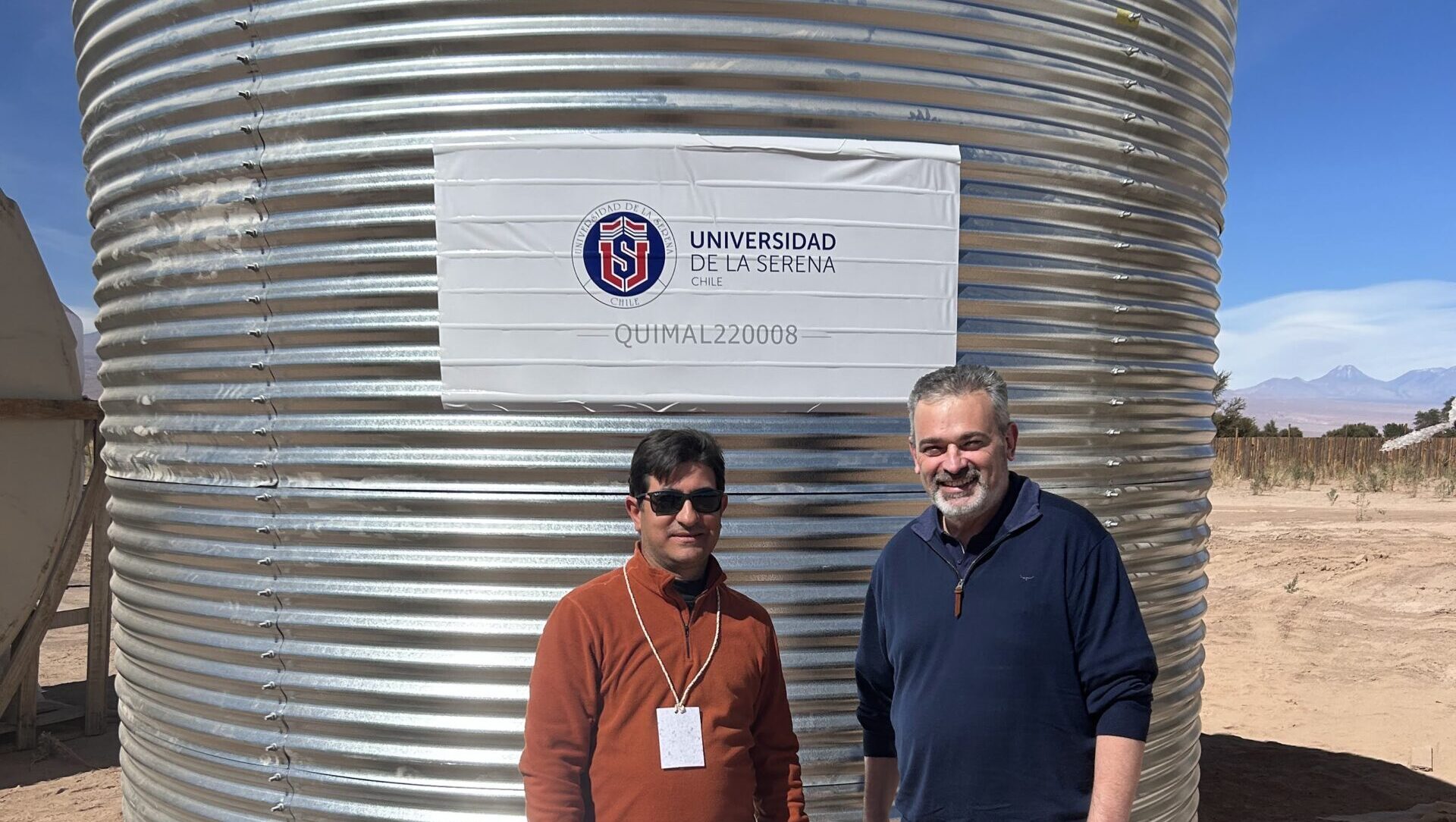
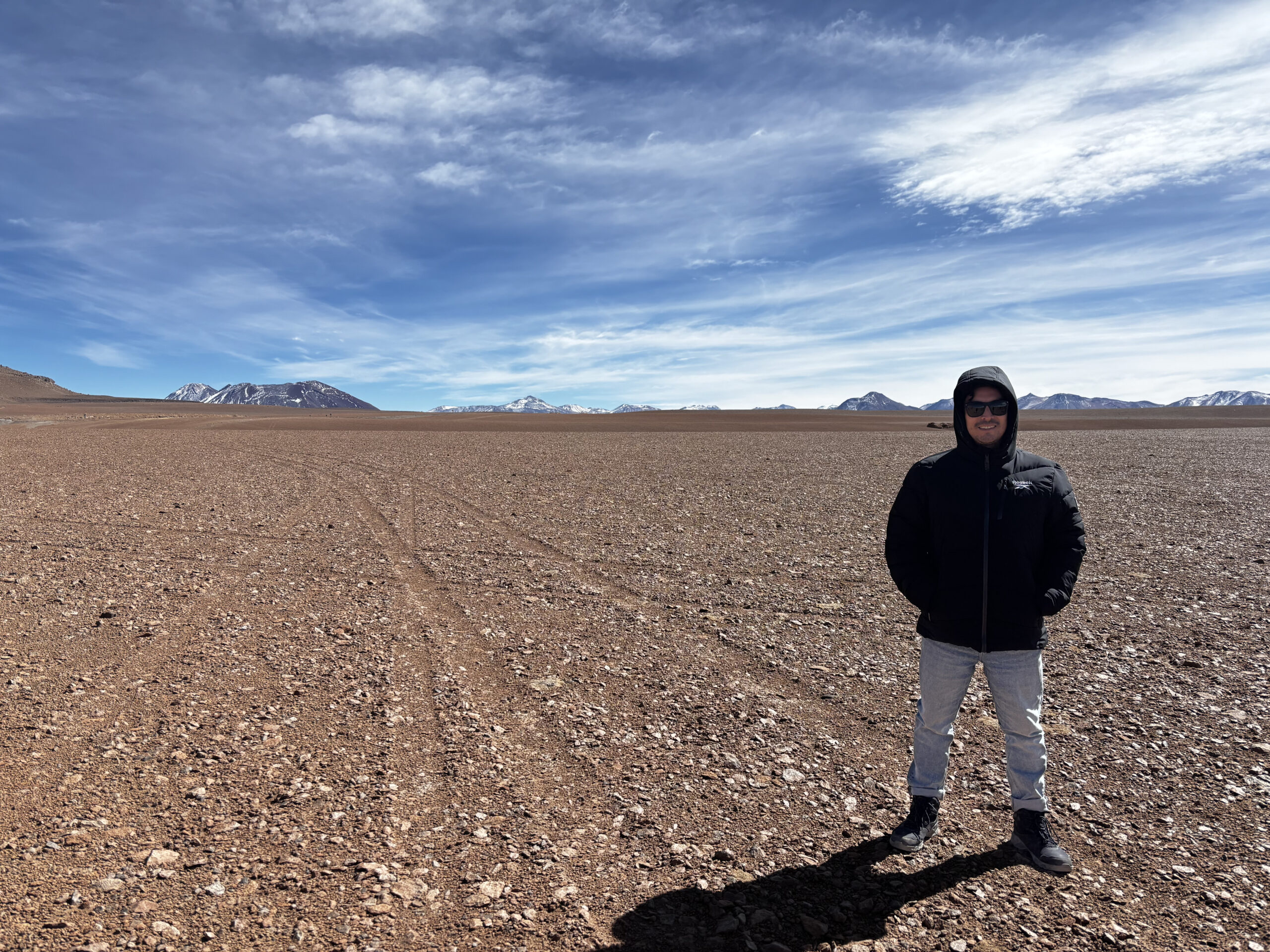
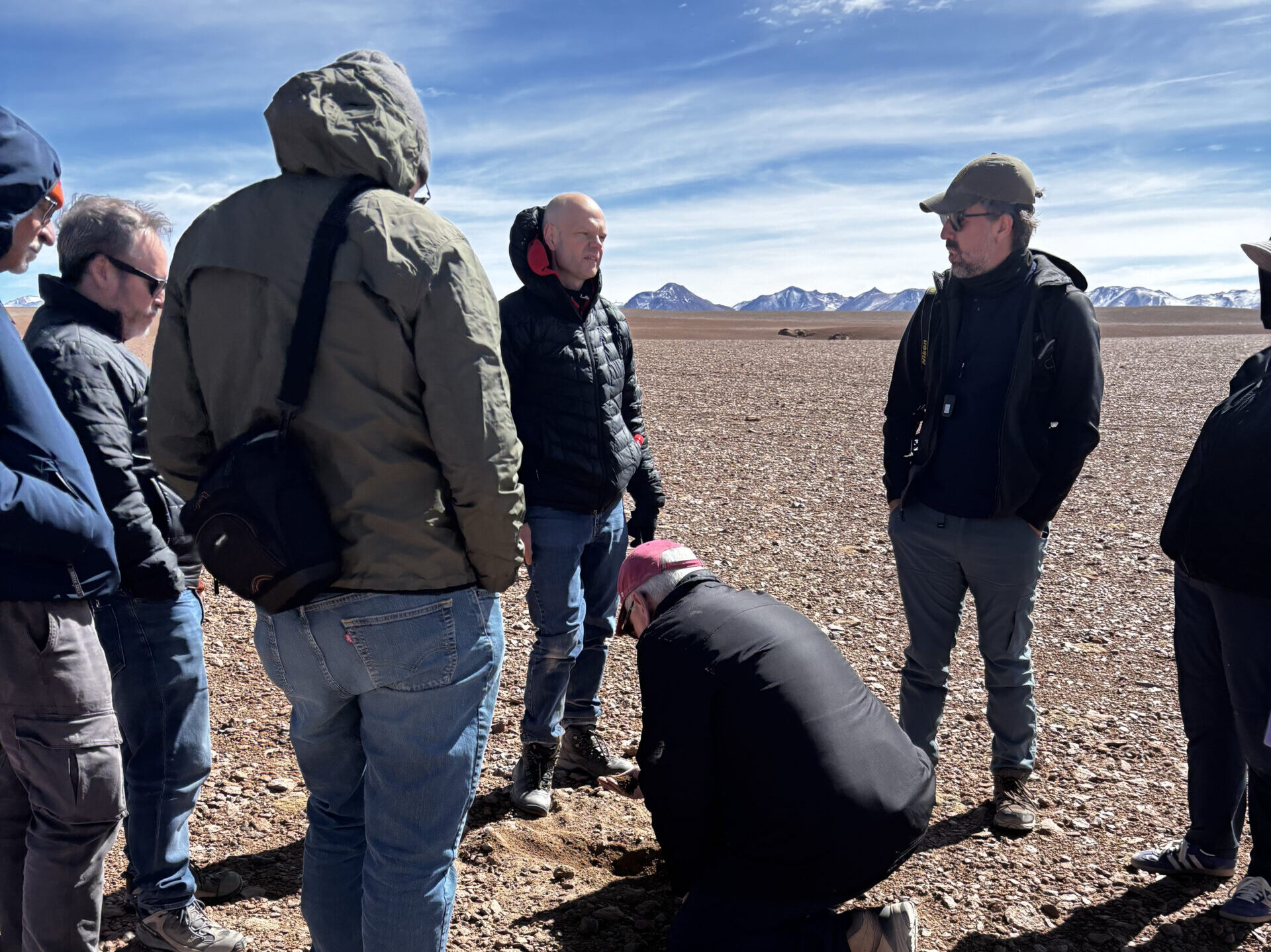
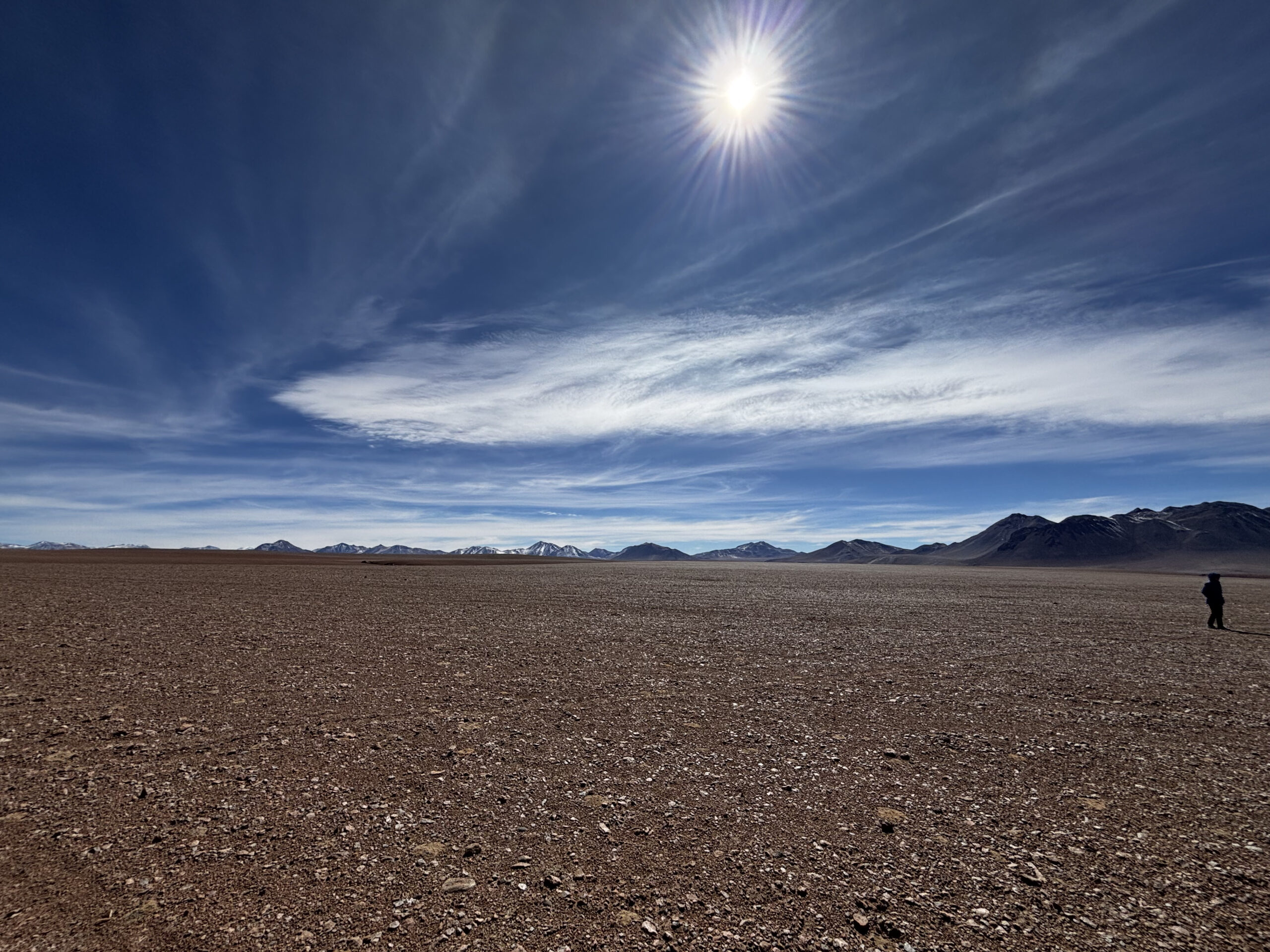
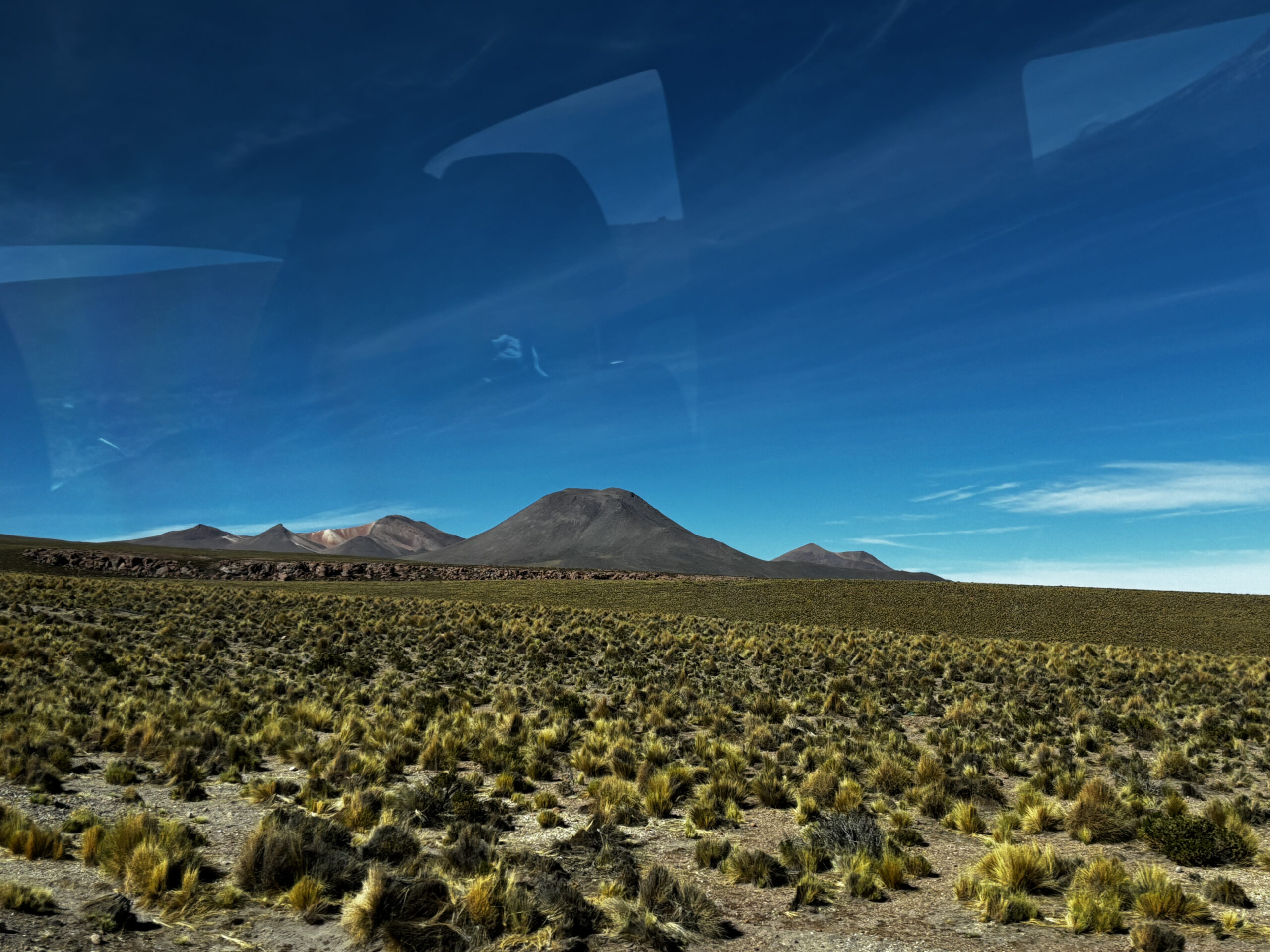
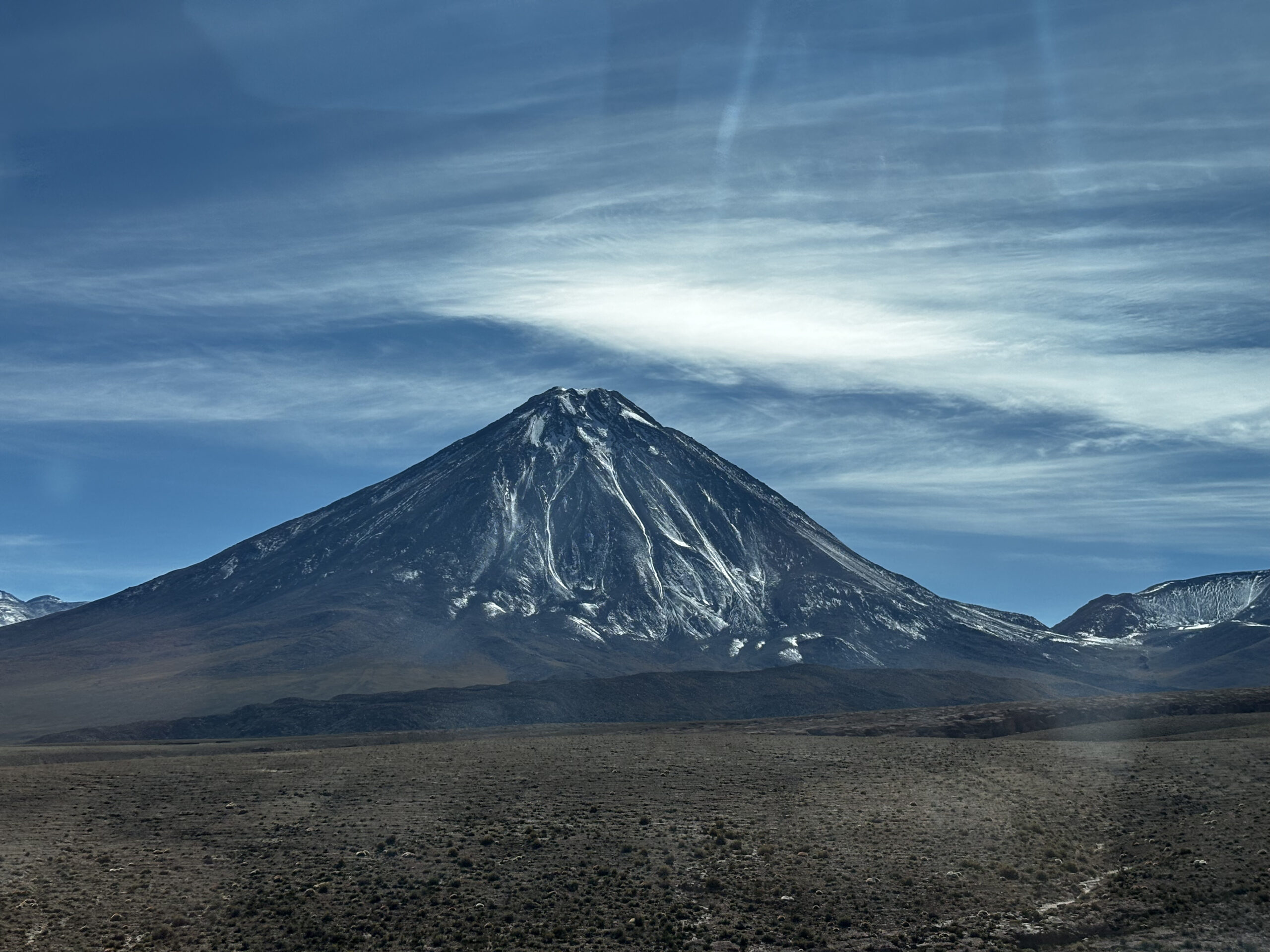
One of the most significant moments of the visit was the tour of the proposed observatory site, located at 4,770 meters above sea level. More than 600 detector tanks will be deployed there, designed to capture signals from extremely high-energy astrophysical phenomena. "The experience was especially revealing in terms of the scientific and technological potential of the project," emphasized the executive, who also underscored the strategic role that our country could assume: "This project has the potential to position northern Chile as a key node in the observation of the cosmos from the southern hemisphere."
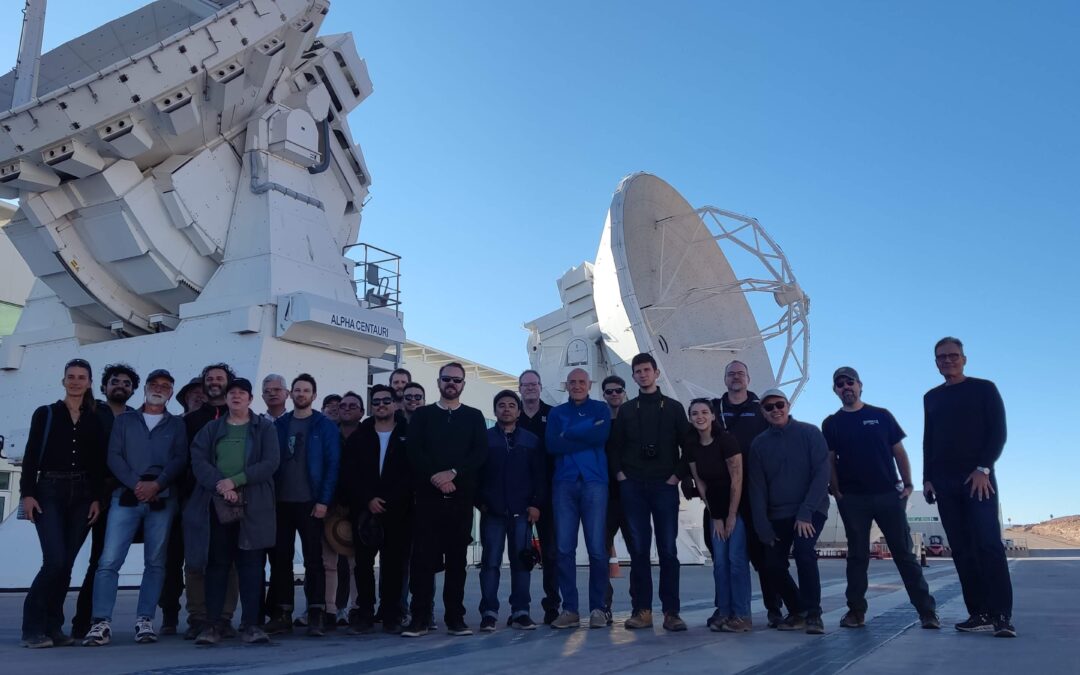
During their stay in San Pedro de Atacama, the participants were also invited to visit the facilities of the Atacama Large Millimeter/Submillimeter Array (ALMA), the largest radio telescope in the world. On that occasion, they held a meeting with scientists and engineers of the project, in order to understand in detail the installation process in such a demanding environment as Pampa la Bola. "Taking into consideration ALMA's valuable lessons and experience is essential to face the adverse climatic conditions of the most arid desert in the world", emphasized SAPHIR's executive director, underlining the strategic value of this technical visit.
Finally, the international meeting was also a key platform for strengthening institutional links. Collaborations were consolidated with teams from Italy and Portugal, and progress was made in talks with representatives of the Latin American Physics Center (CLAF), based in Brazil. "We are seeking to sign a bilateral agreement aimed at the training of technicians and scientific collaboration," said the director, projecting a vision of regional integration that accompanies the challenges and opportunities posed by the development of the SWGO.