por bicubico | Ene 26, 2022 | Comunicados, Noticias
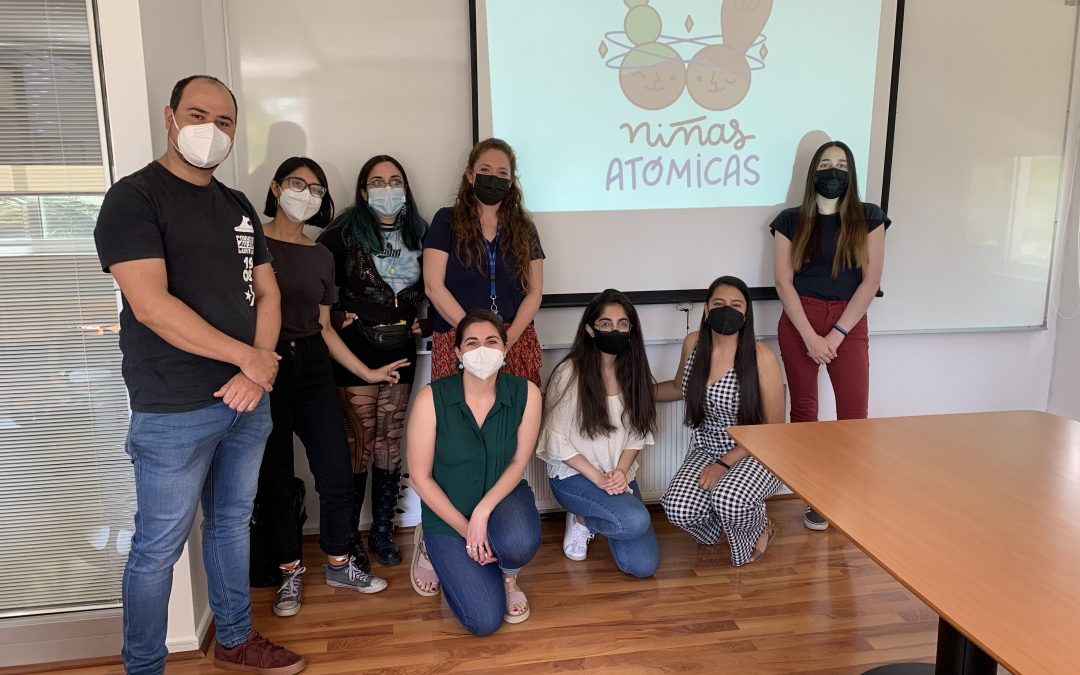
Cinco estudiantes de física, astronomía y astrofísica tuvieron hoy su primera capacitación para convertirse en tutoras de estudiantes femeninas de enseñanza media que aprenderán a detectar muones en sus casas y colegios. El taller «Niñas Atómicas» busca entregar...
por bicubico | Ene 13, 2022 | Física subatómica, Materia oscura, Neutrinos, Noticias, Novedades, Nueva Física
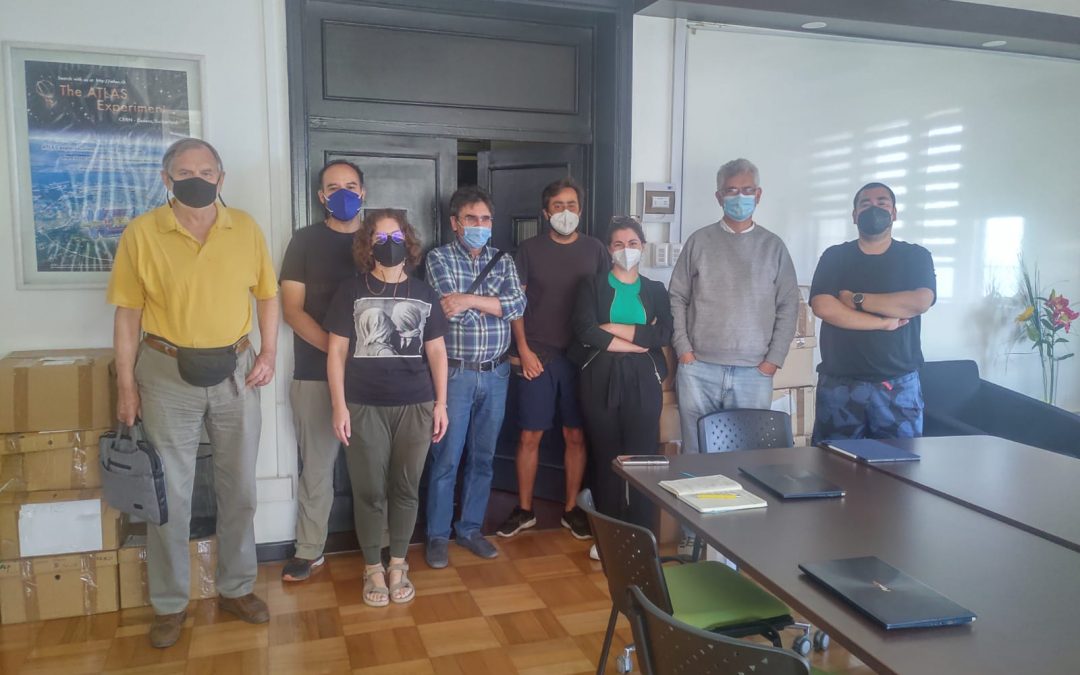
El objetivo es generar colaboración en física teórica, integrando a académicas y académicos de otras instituciones de Santiago y regiones. Reuniones como esta están generando una comunidad colaborativa a nivel nacional que investiga en torno a predicciones de teorías...
por bicubico | Sep 29, 2021 | Área de investigación, Física subatómica, Modelo estándar
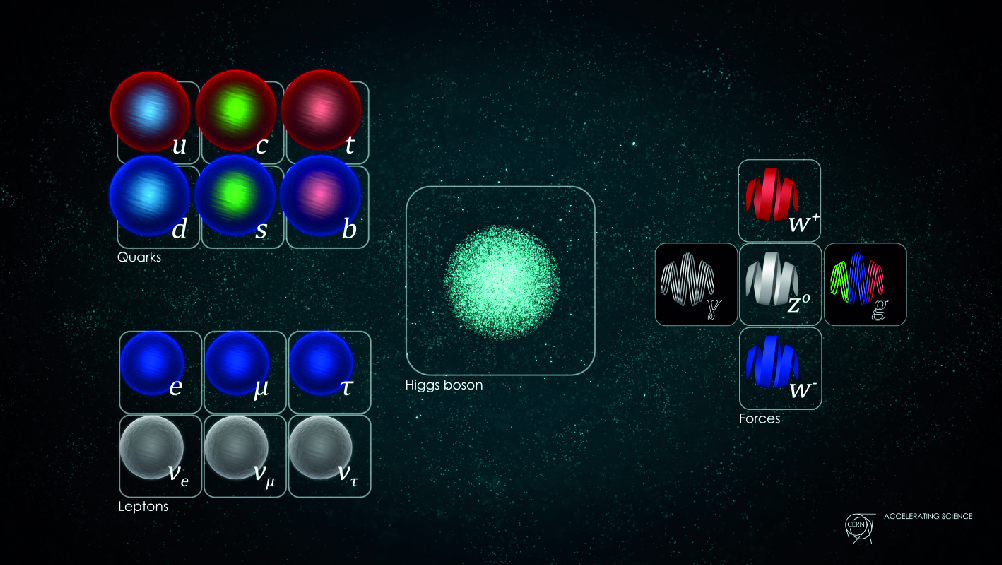
La teoría sobre física de altas energías es un área de investigación que trabaja en el desarrollo de modelos para describir partículas fundamentales y sus interacciones. El modelo utilizado en prácticamente toda la física de partículas es llamado, de forma muy poco...
por bicubico | Sep 29, 2021 | Análisis de datos, Área de investigación, CERN
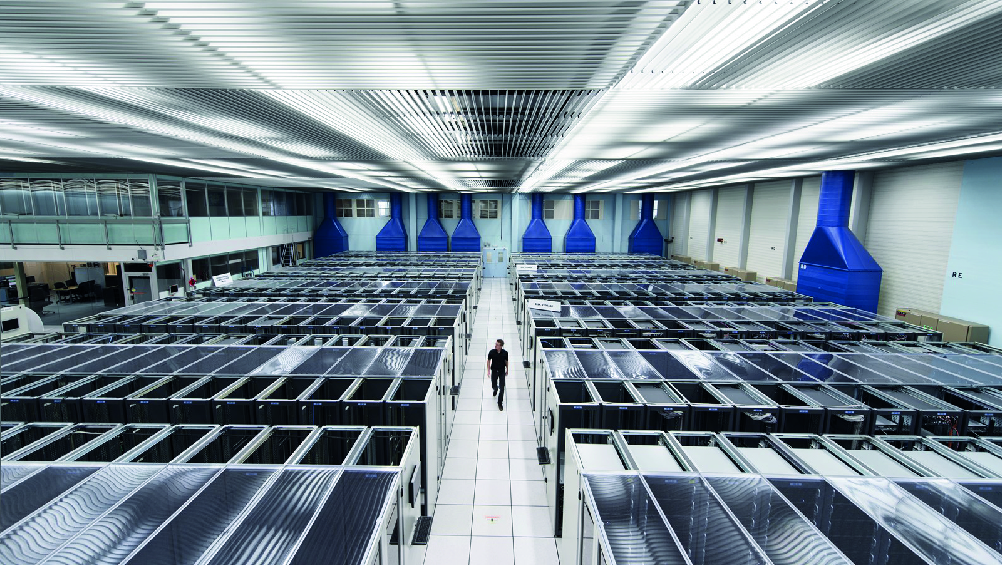
Las colisiones en el Gran Colisionador de Hadrones (LHC) generan partículas que decaen en formas complejas o en otras partículas. Los instrumentos del LHC registran el paso de cada partícula como una serie de señales electrónicas y envían los datos al Centro de Datos...
por bicubico | Sep 29, 2021 | Área de investigación, CERN, Innovación, Tecnología
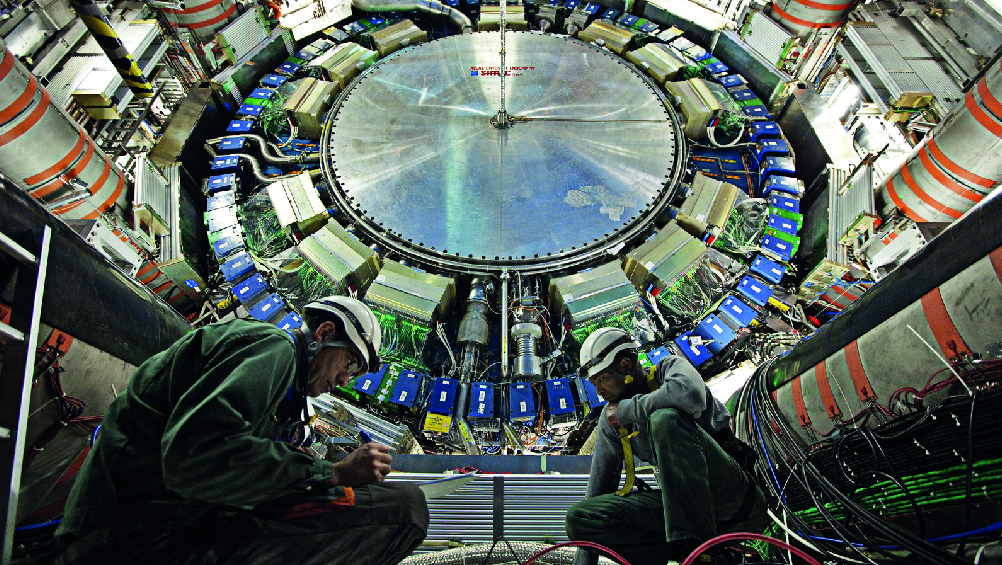
El espectrómetro de muones del experimento Atlas es usado para medir el paso de muones y antimuones producidos por el decaimiento de partículas fundamentales que se produce en las colisiones de protones en el Gran Colisionador de Hadrones. Uno de los subdetectores del...